By Julián Felipe Gutierrez @jackmulligan
What can be said about the national strike in Colombia that hasn't been said before? It's clear that Colombia is in the midst of a popular movement demanding answers and accountability from a government that is doing everything possible to avoid responding and taking responsibility, even going so far as to kill 18-year-old protesters in the streets and driving uniformed officers to suicide… On the other hand, as other, far more authoritative and knowledgeable voices on the subject have spoken about the implications of this moment, I think it's more appropriate to talk about the impressions I've gained from what I've seen during this week of unemployment.
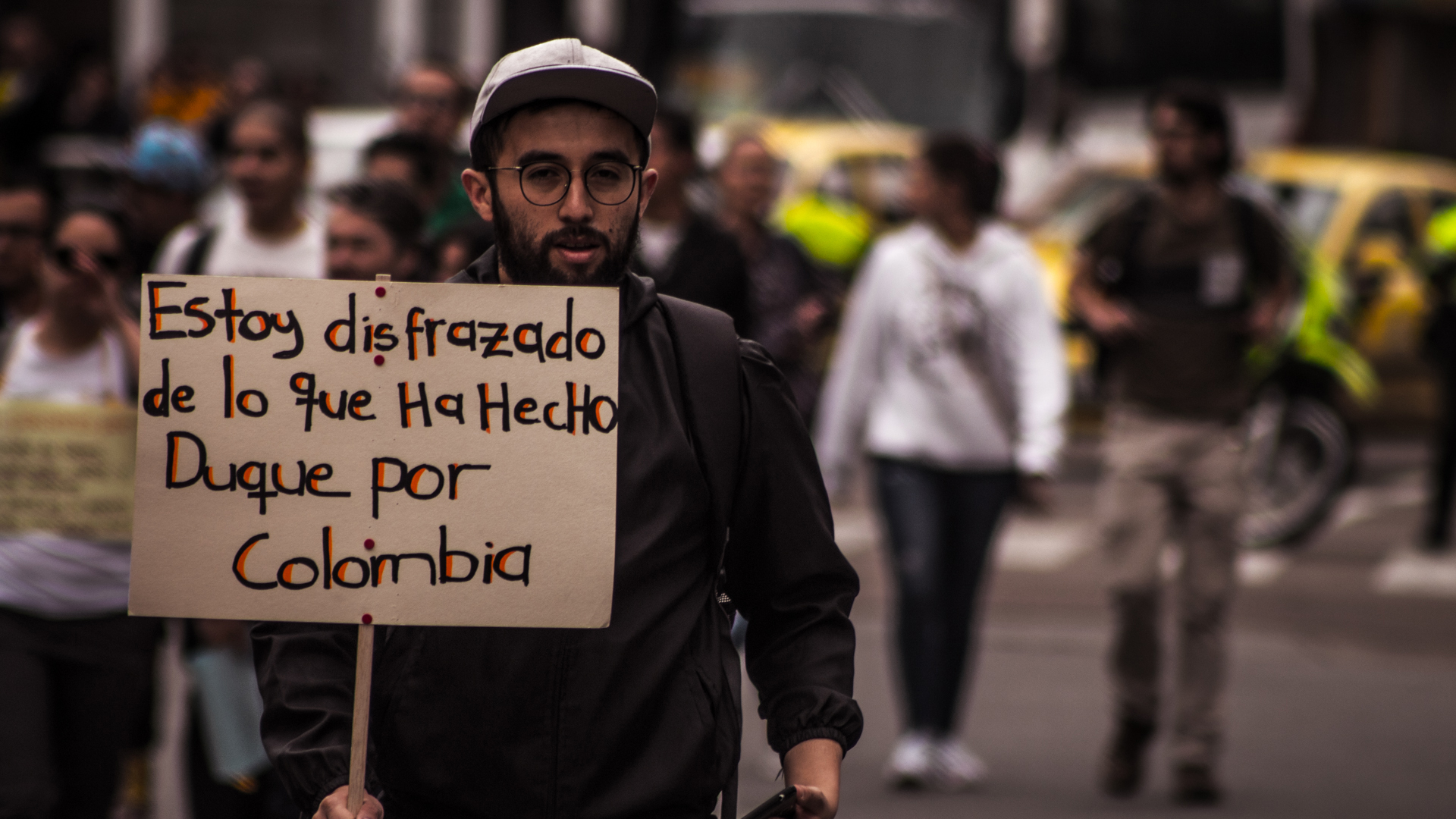
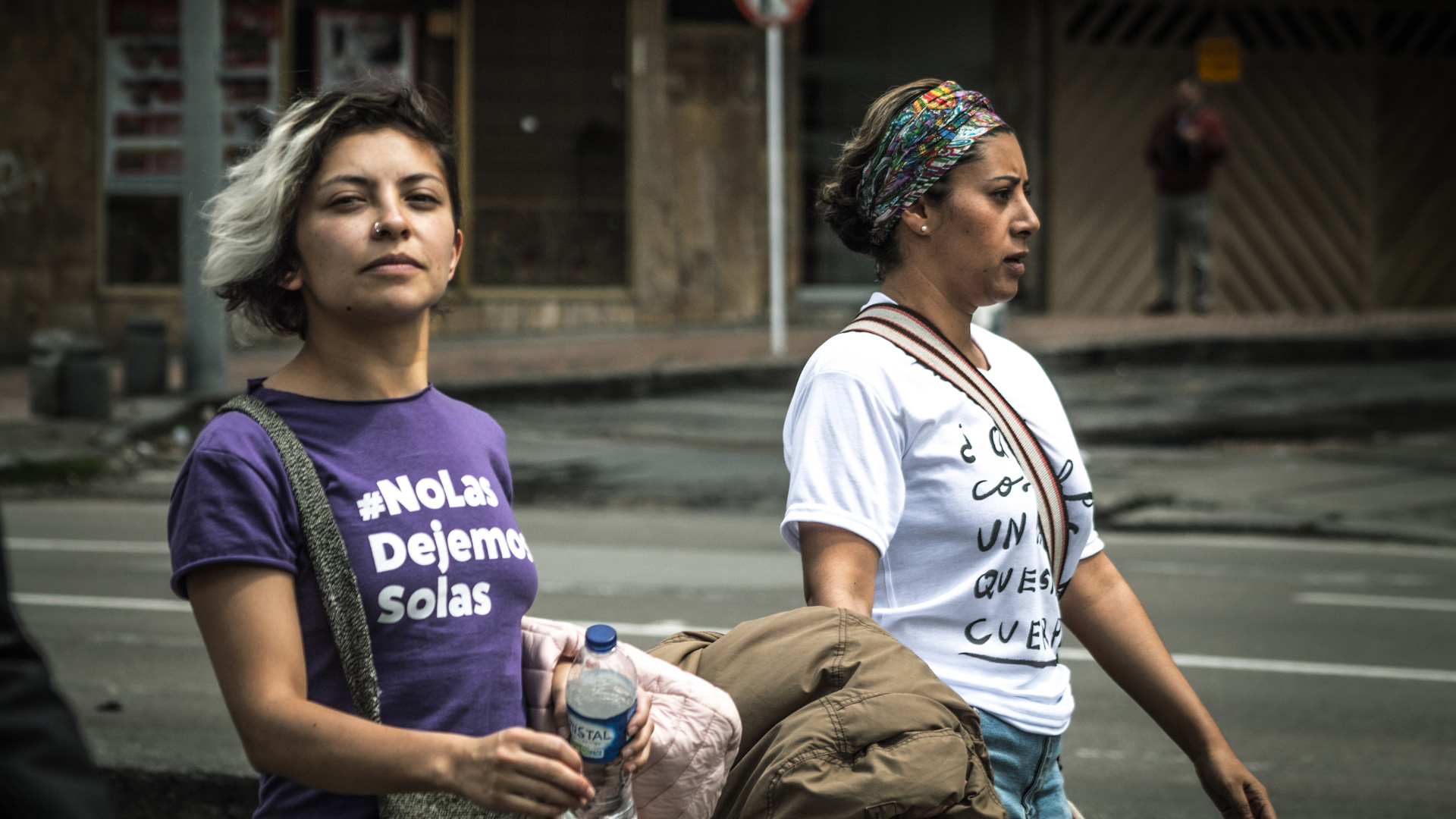
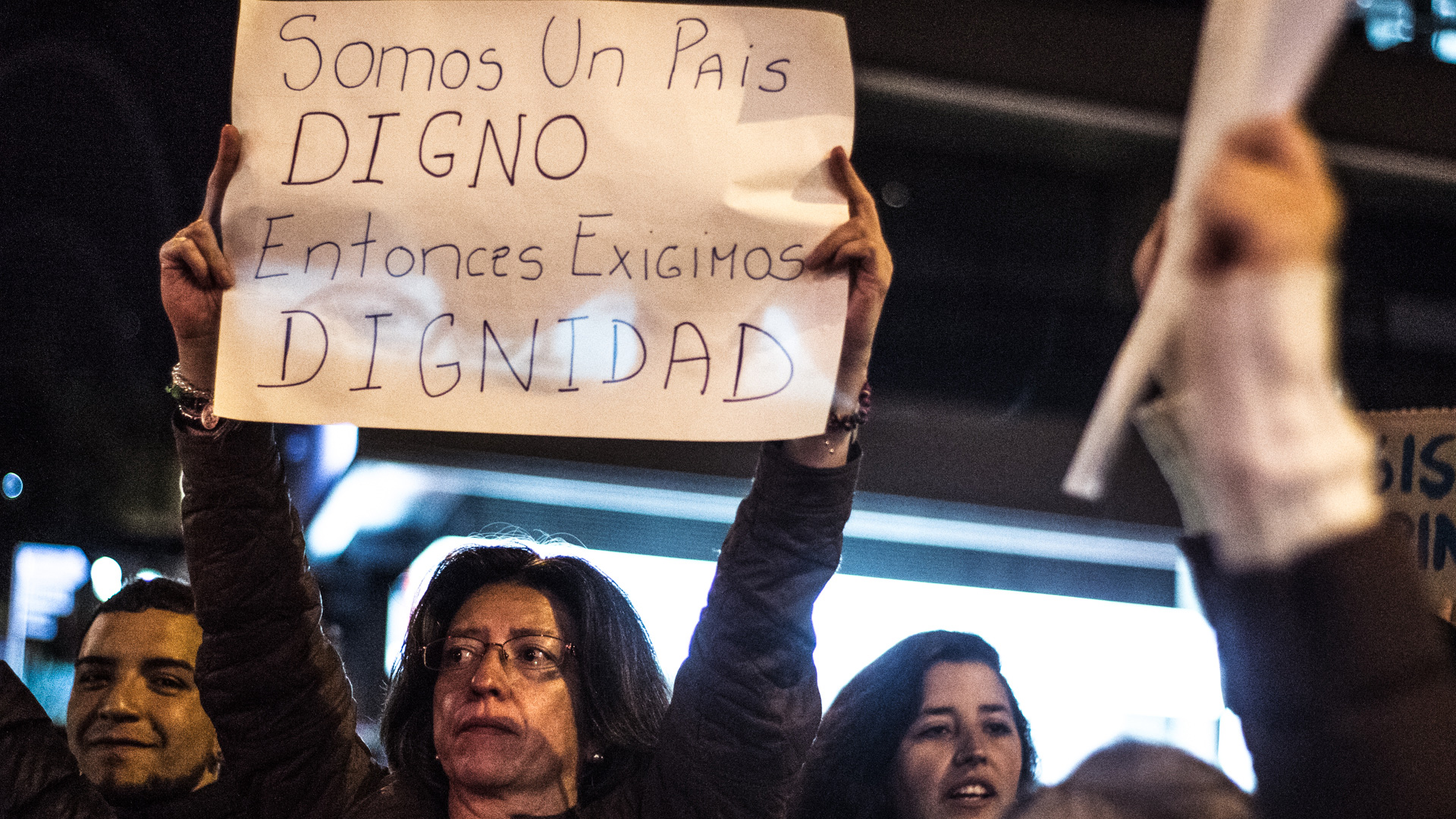
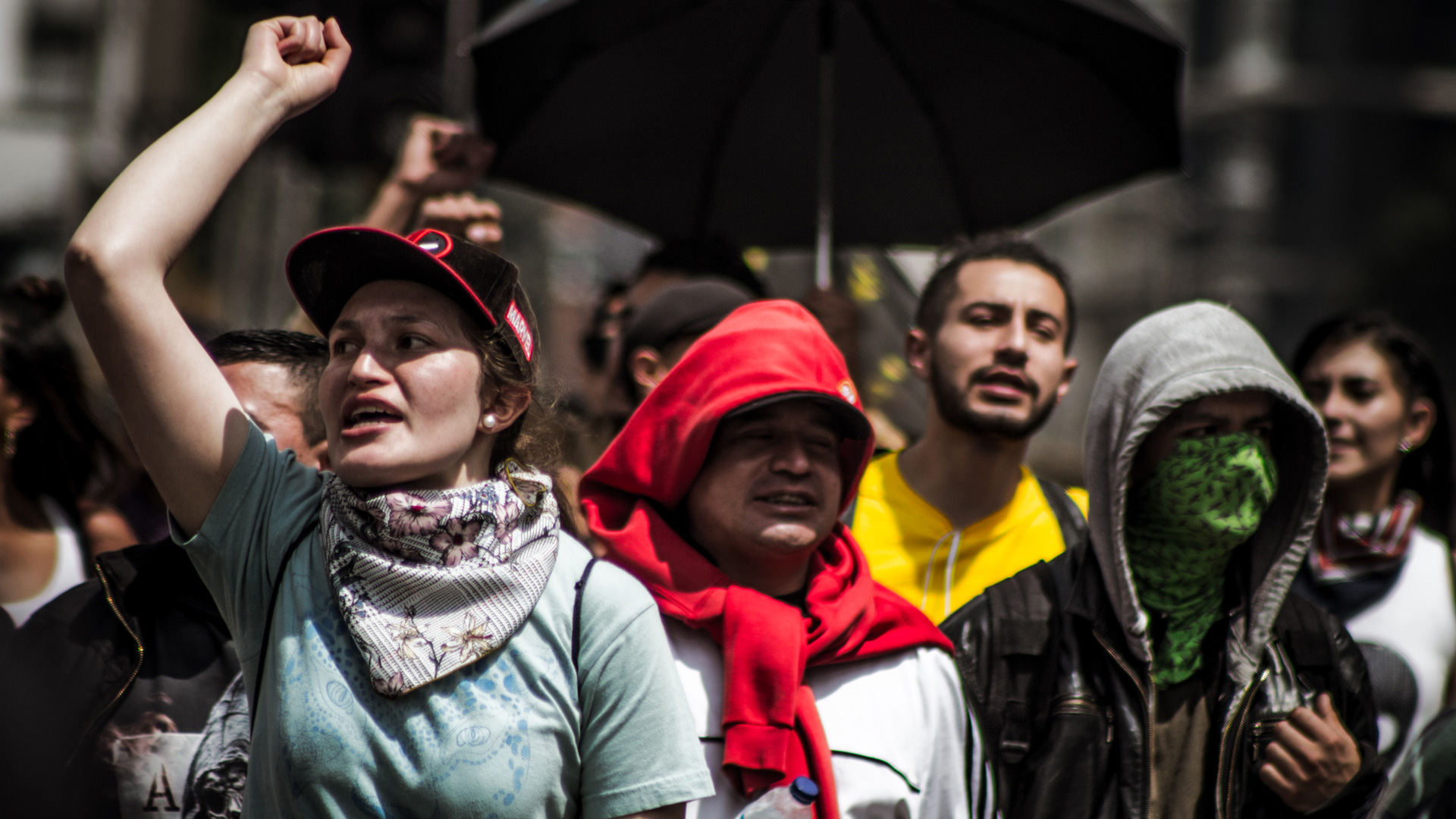
One of the principles that guides my process when taking photos is to look for what I can only call 'the personal moment', that is, to look within a larger scene, moments that reflect the expression of a person who is part of this and capture that expression. What I was able to capture on Thursday had a lot to do with the diverse audiences attracted by the initial call to the strike. Seventh Avenue in Bogotá became the obligatory transit point for all those who participated in the initial act of the mobilization: from the 'usual suspects,' such as students and activists, to people who, at the risk of making a judgment based on appearances, They had never taken to the streets in a demonstration of this kind. The seeds of the mobilization's discourse were present in the banners of that day, but this would eventually change as events unfolded.
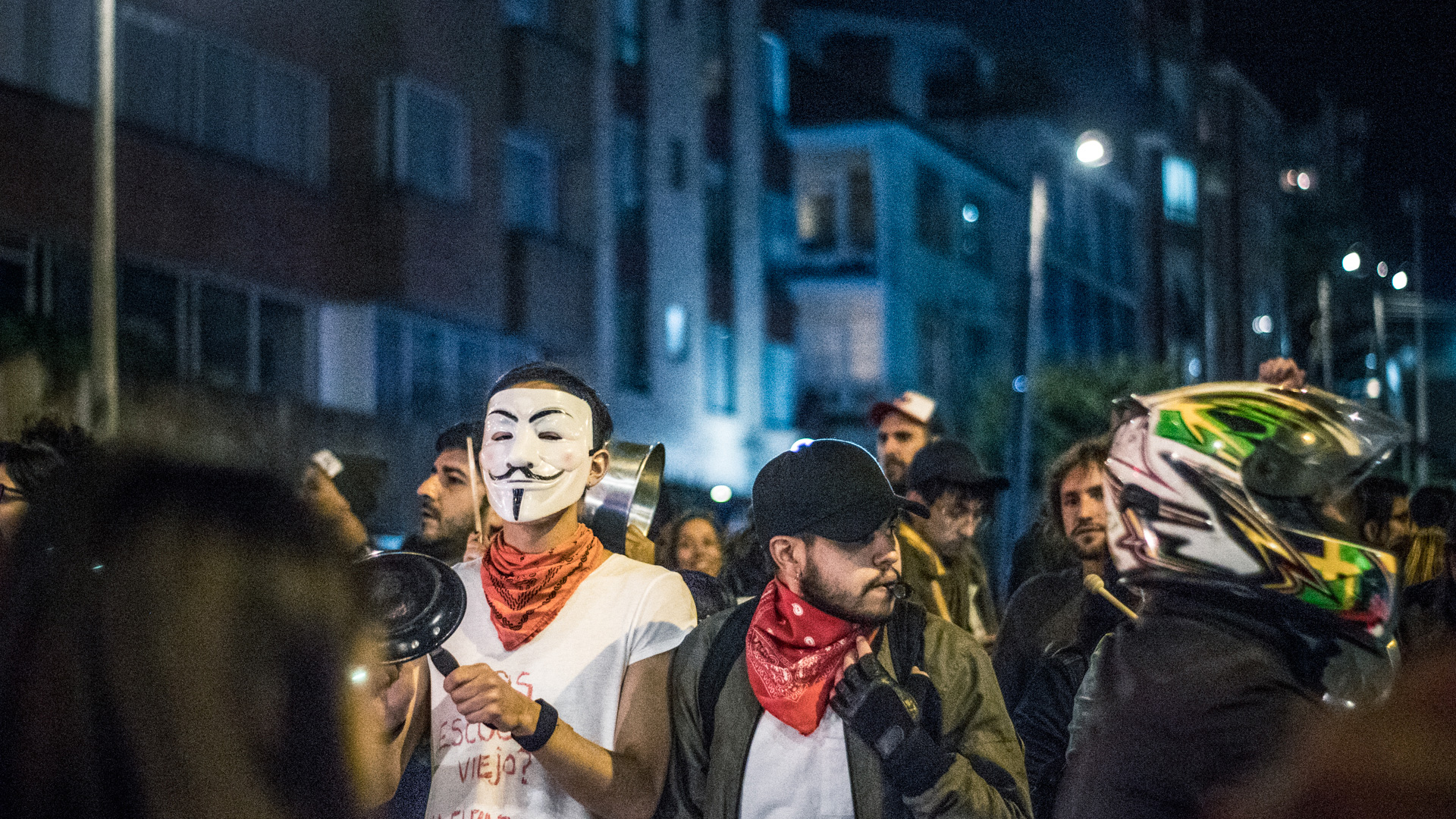
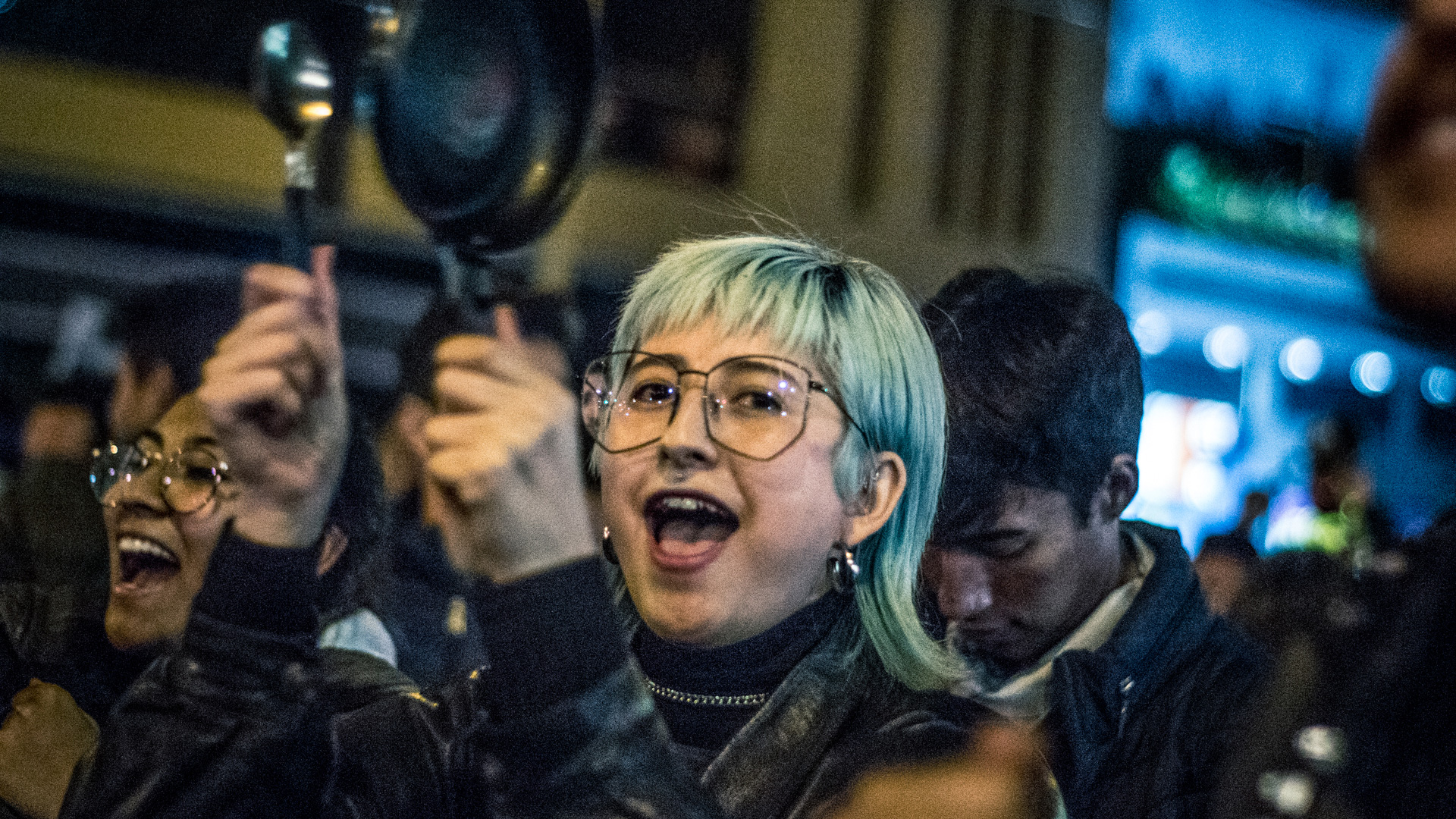
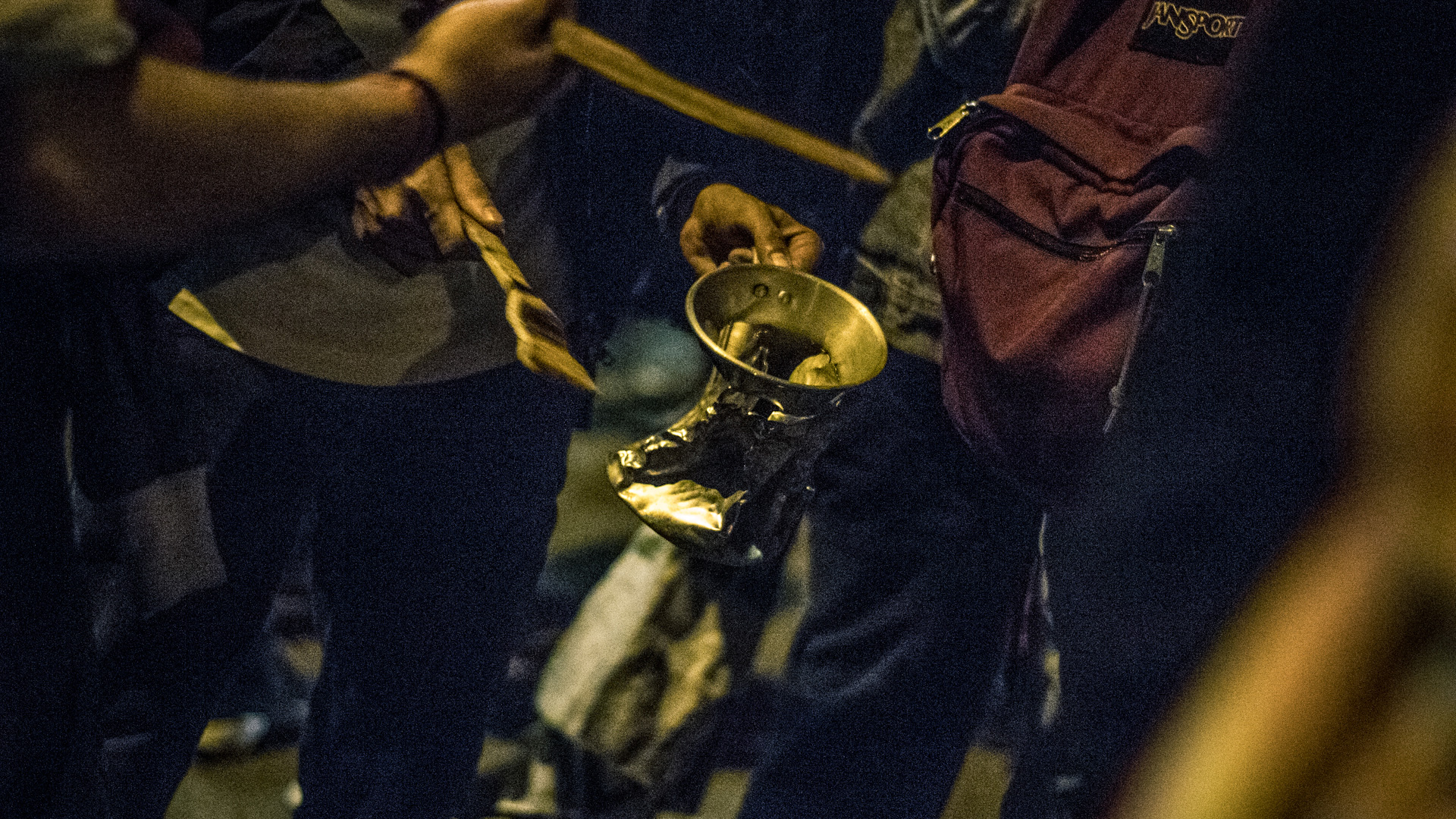
The second pot-banging protest took place under the shadow of the curfew imposed by the city government and following the events in Cali on the night of the 21st. The atmosphere at the time was clearly a challenge to the decisions made by Peñalosa and a response to the abuses of the ESMAD and the police on Thursday afternoon and evening. The moments I was able to capture show that sense of defiance and depict the first steps taken by the snowball of indignation among a representative population of that area of the city… Watching them again, I recognize that those protesting in those images are part of a relatively young and relatively urban sector of the population. which is a minority with respect to the entire social fabric of the country but is in an ideal position to start moving things and is doing so.
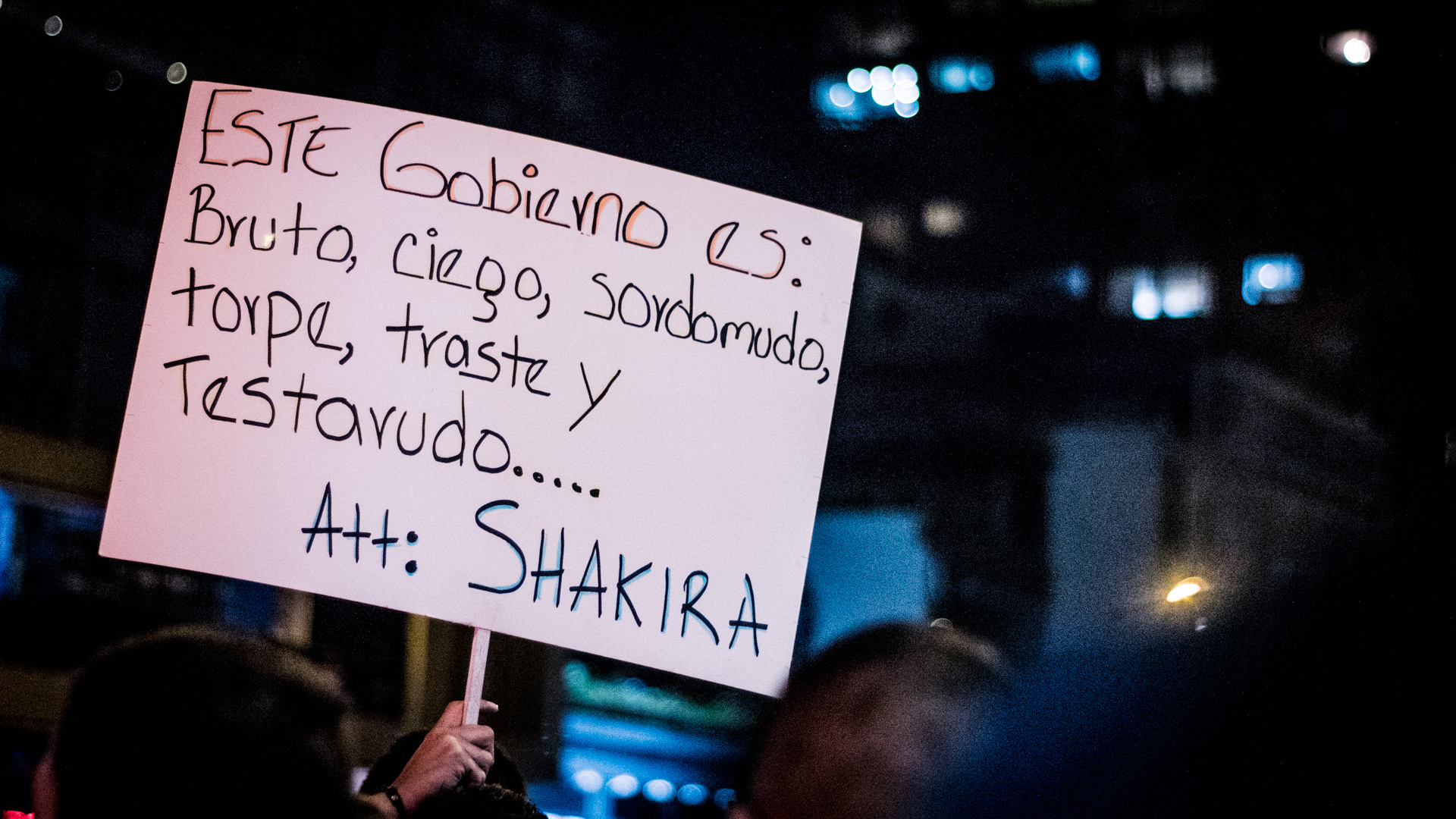
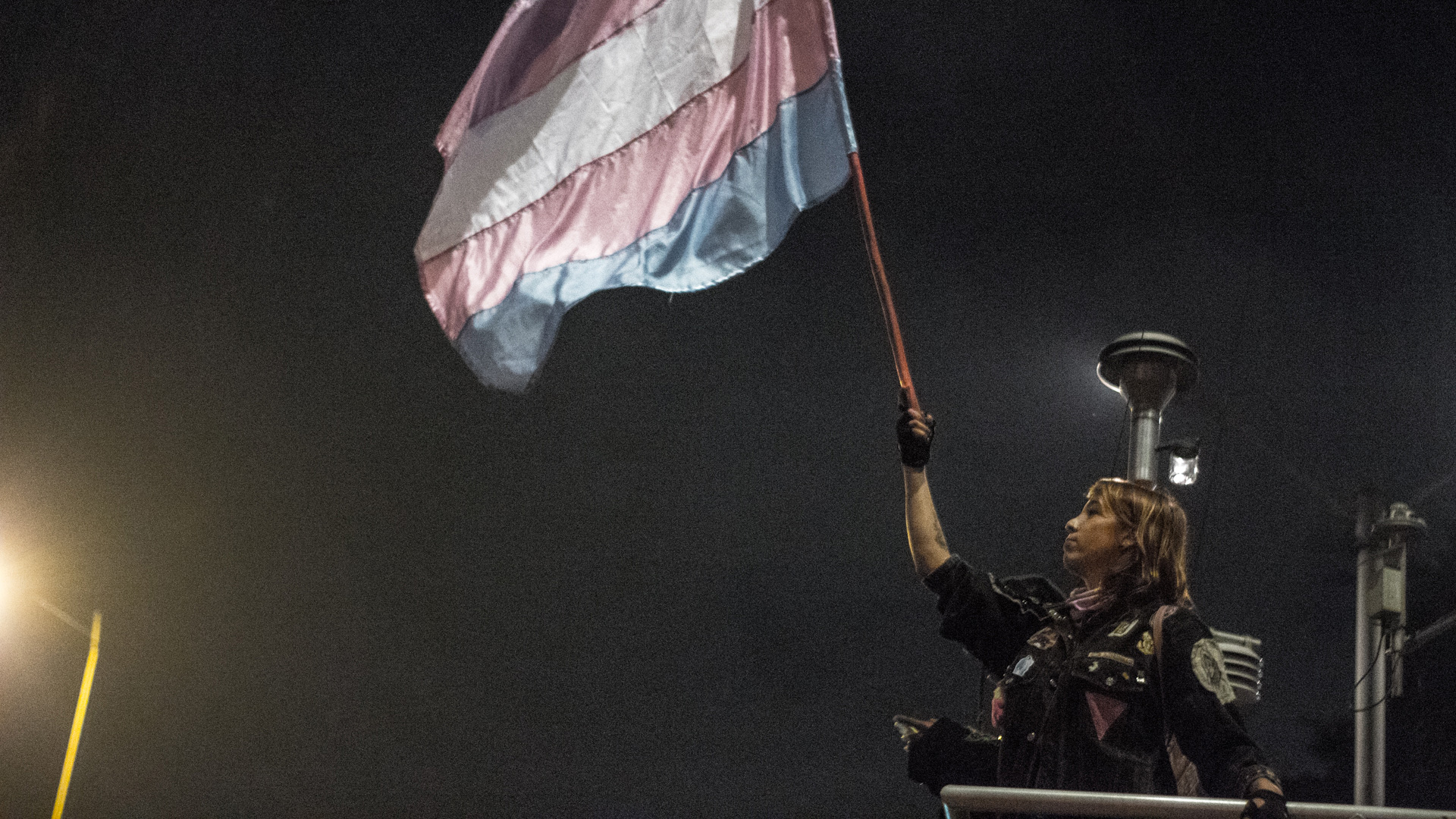
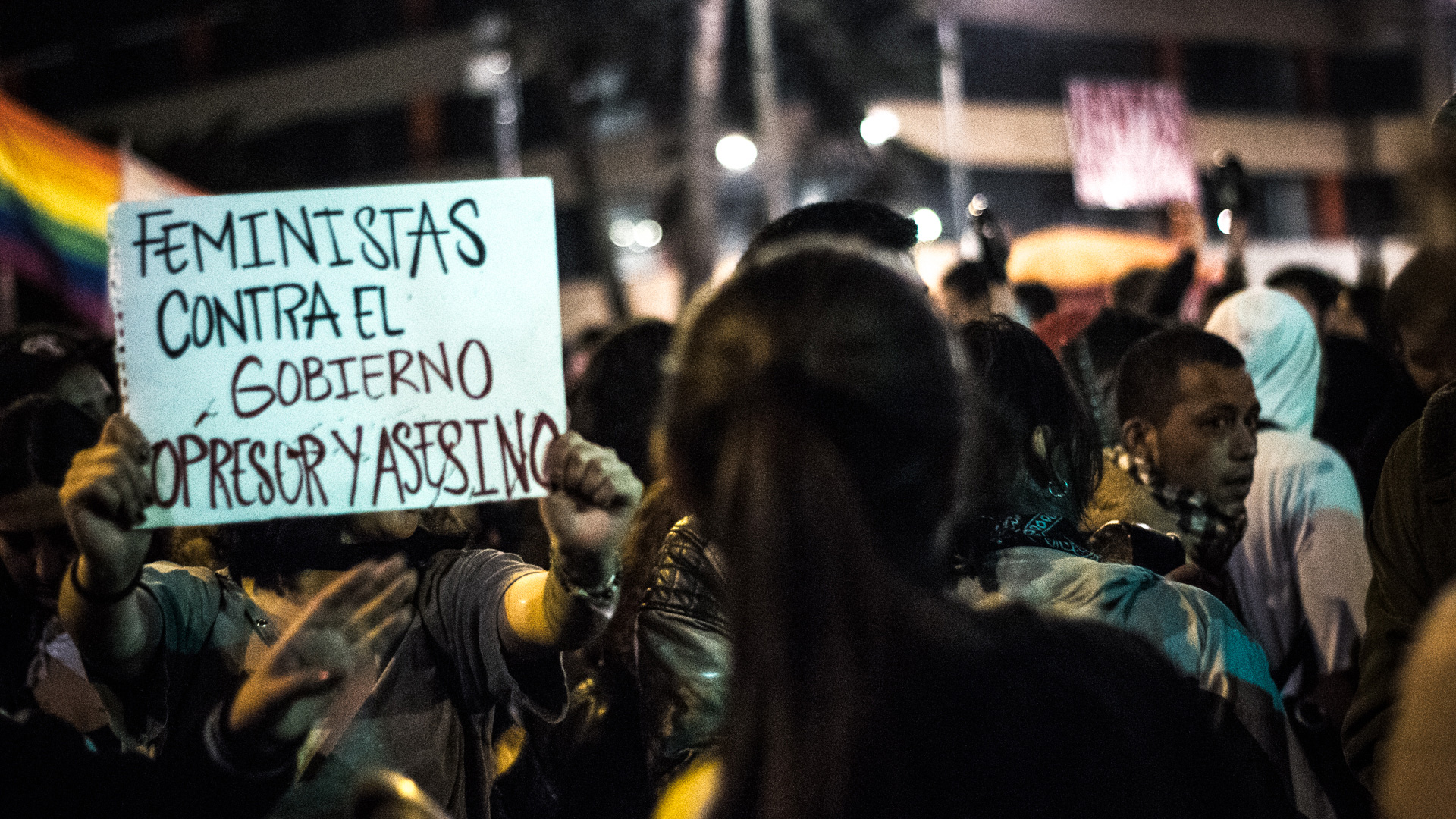
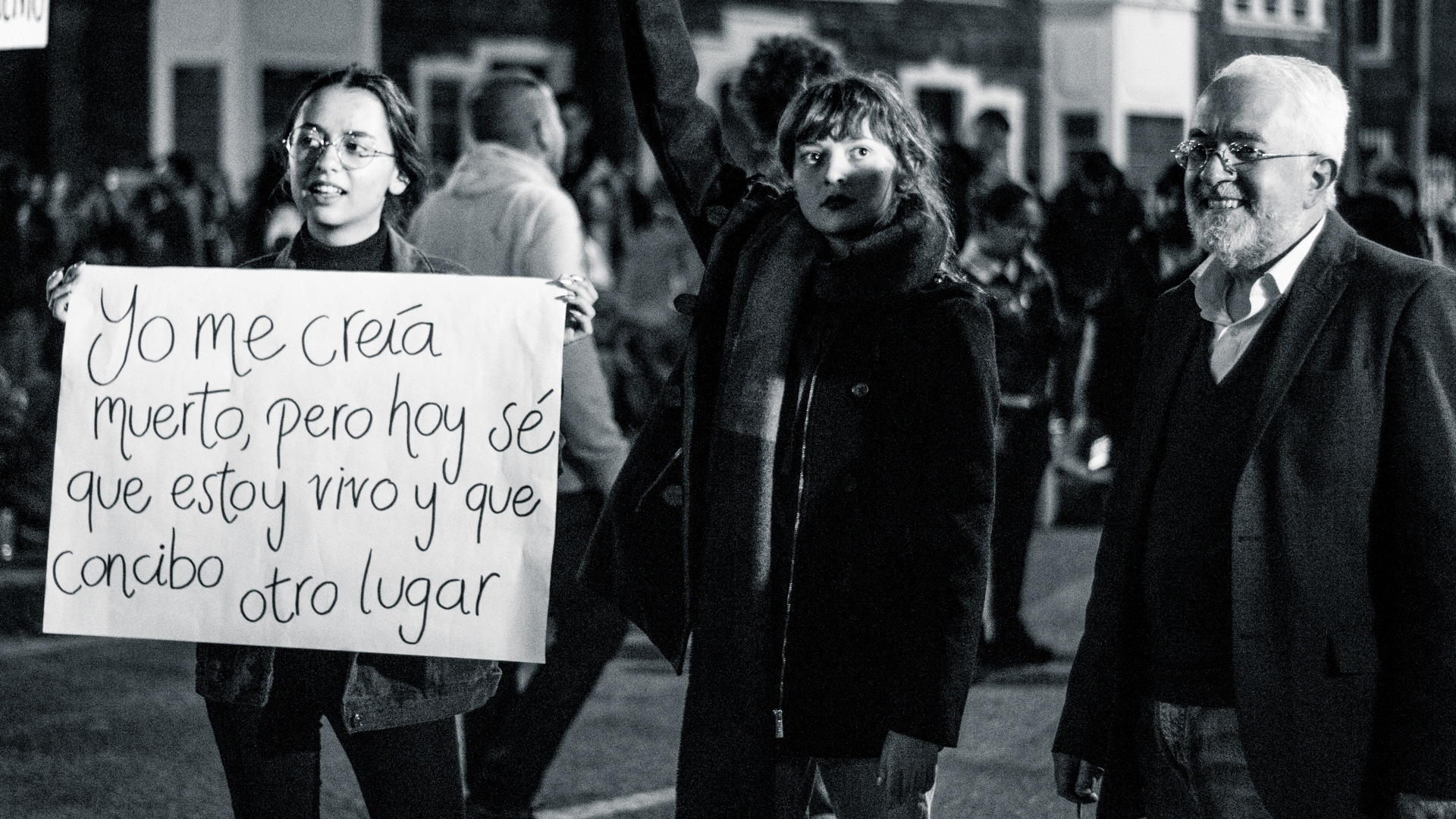
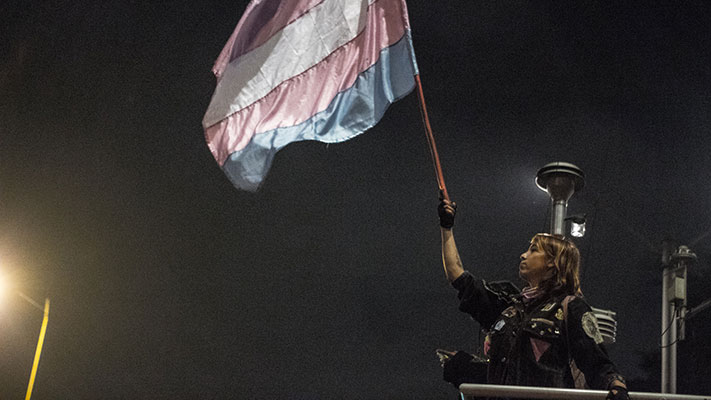
The demonstrations of last Saturday and Tuesday are, to a certain extent, the beginning and end of a clear stage within the mobilization related to the murder of Dilan Cruz. Saturday's pot-banging protest was marked by the events of that afternoon, and the non-imposition of a curfew had an air of victory over the Peñalosa government. The growing turnout also allowed groups that hadn't been particularly prominent in the first two days to literally bring their banners and demands to the streets. On Tuesday, when news of Dilan's death broke, the movement's discourse took on a clearly defined new direction: denouncing his death as a state crime. and the demand that those responsible in the east bear the consequences of their actions.
Although I initially interpreted the moments I have captured under the logic of the manifestation of rage, Over time I've begun to feel that that explanation may well fall short. There is clearly anger towards the events that have occurred, both the factors that led to the strike and what has happened with it as a backdrop; however, I also believe there is a clear determination in the protests, a determination to be heard, to be taken into account. It is, I believe, an intensely patriotic act, in the face of which I can only wonder about the response of those to whom these complaints are being directed.