By the Zonagirante.com team @spinning zone
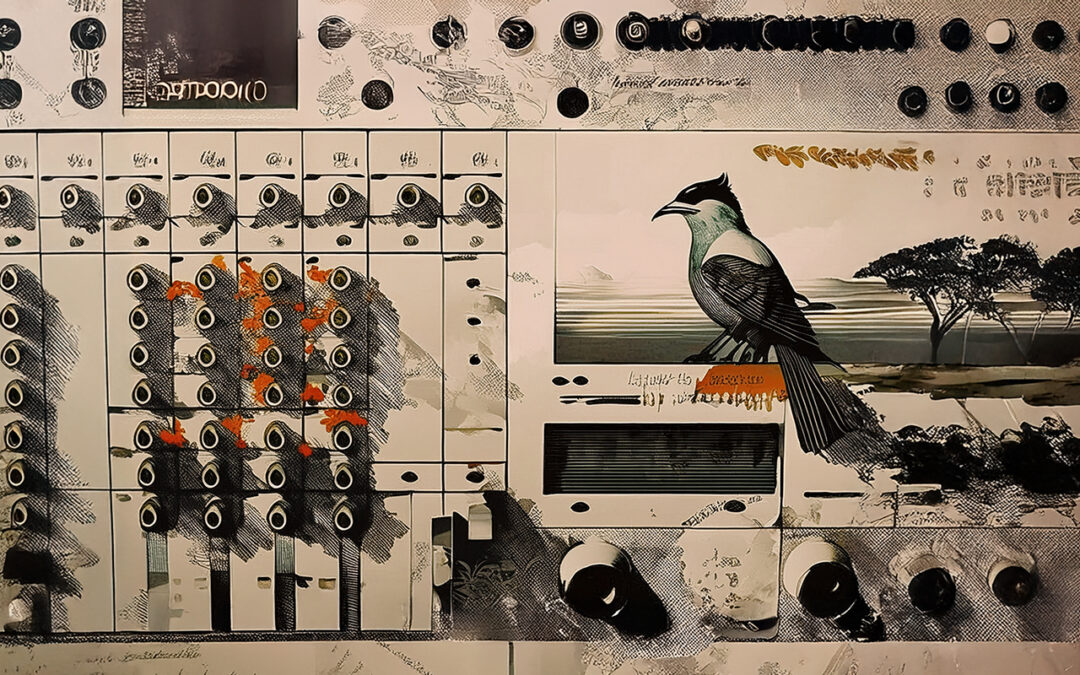
Cover art by Zonagirante Studio
There was a time when recording at home wasn't synonymous with ease, but with commitment. There was no infinite undo, no unlimited tracks, and no temptation to redo everything later. Recording meant accepting a real friction between the idea and the machine. And in that uncomfortable space, many interesting things happened.
Portable recording devices were born there. Not as toys or emergency solutions, but as serious tools for musicians who wanted to work outside the traditional studio without completely abandoning a professional approach. Four tracks, a cassette tape, a few faders, and a REC button that was unforgiving. What was recorded, was recorded.
Nebraska: the room as a studio
In 1982, Bruce Springsteen recorded Nebraska at home, using a Tascam Portastudio 144. The initial idea was to record demos and then re-record them with the E Street Band. But something happened during that home-based process: the songs, stripped down and full of noise, were already the album.
The tape hiss, the voice too close to the microphone, the guitar lacking studio polish. All of that wasn't a flaw to be corrected, but rather an unrepeatable atmosphere. Nebraska doesn't sound like this despite the portastudio. It sounds like this because it was recorded there. Technology didn't limit the emotion: it defined it.
What was a portable studio, really?
For those who didn't experience them, it's worth clarifying: a portable studio wasn't "a home studio." It was a compact studio, with clear rules.
Multitrack cassette recording, usually four tracks, sometimes eight. Manual mixing. Inevitable rumbles. Early decisions. If you recorded two guitars on the same track, there was no going back. If you overloaded the tape, that overload was a permanent fixture in the song.
Far from being a problem, this generated a very specific way of working: thinking before recording, listening while recording, accepting mistakes as part of the character of the sound.
What the computer gave us (and what it took away)
The arrival of the DAW changed everything. For the better, without a doubt. Accessible recording, precise editing, and previously unimaginable sonic possibilities. Today, anyone can set up a functional studio with a computer and an affordable audio interface.
But something was lost along the way: the need to decide.
When everything can be fixed later, many recordings remain suspended in a perpetual state of testing. Endless versions, accumulated takes, songs that are never finished because they can always be "improved.".
The portable studio, on the other hand, forced you to move forward. To finish. To accept that this was the shot.
Returning to limitations (without nostalgia)
Interestingly, portable studios are making a comeback today. Not as relics, but as conscious alternatives.
Tascam continues to manufacture digital models with a multi-track spirit. Zoom offers portable recorders that many use as standalone studios. Other musicians record on cassette, minidisc, field recorders, even Dictaphones. Not for lack of resources, but as an aesthetic choice.
It's not about romanticizing the analog world or rejecting computers. It's about reclaiming a question that software sometimes erases:
How do I want this to sound from the moment I press REC?
Record as a physical act
There's something profoundly different about recording without a screen. Pressing a real button. Watching a needle move. Hearing the noise before the music. Feeling time ticking and the tape moving forward.
The portable studio doesn't promise perfection. It promises presence. It asks you to be there, to make decisions, to accept what happens. And in that pact, often, something more honest emerges than any recording polished to the extreme.
PS As a Brazilian producer we met at a conference said:
“"If you can record on an Electric Lady, do it. If you have to record on a cassette portastudio, do it. But don't neglect what you're supposed to be doing. The rest is just talking shit."”
Perhaps today we don't need any more tools or plugins.
Perhaps we need fewer excuses to record.