By the Zonagirante.com team @spinning zone Archive photos Andrea Hernandez
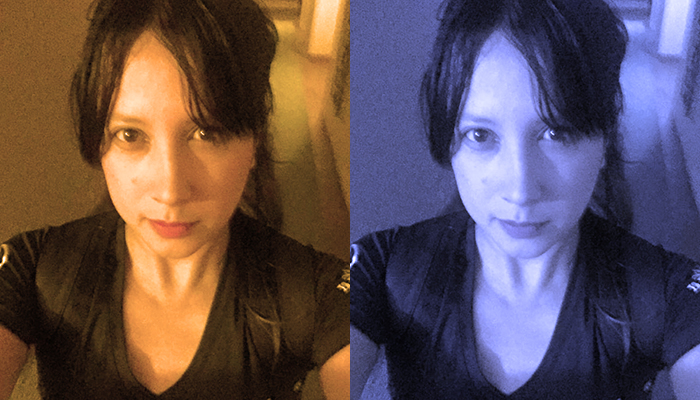
In Zonagirante.com's ongoing effort to learn more about all professionals in the music industry, we were able to contact the Colombian artist. Andrea Hernández, designer of the content for the videos of shows by renowned stars such as Carlos Vives, Maluma, Wisin, Sebastián Yatra and Daddy Yankee, among others. Her work has been seen on various stages around the world, and she is recognized in the continent's mainstream as one of the best in her field. We took advantage of a break in her tours to ask her about her work and her vision of the scene.
How do you define your work? Under what title?
It is very difficult to define a title in this profession, in this field. Furthermore, in the legal aspect there are not even terms to hire that technical and/or creative part that develops in the field of entertainment or live shows.
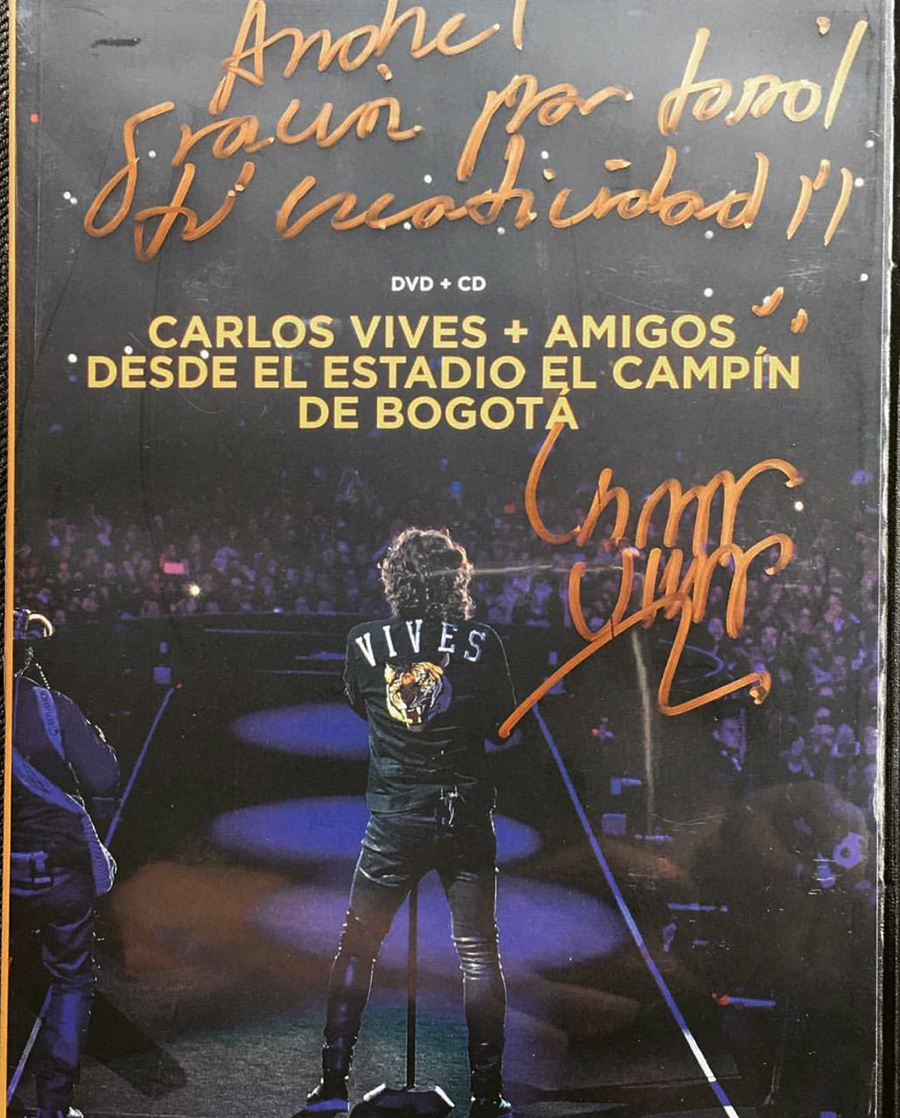
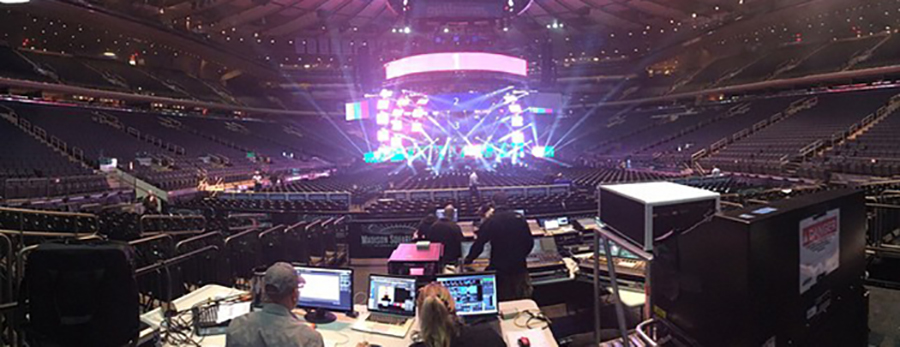
I studied graphic design and music with an emphasis on musicology. I grew up surrounded by the plastic and visual arts. My father and I own a contemporary art gallery that's been around for many years, and I've always been immersed in those concepts of visual aesthetics. With Vives, I had a degree in "video engineering," but I did much more than that. I handled art direction, directed visual content, and oversaw the lighting color grading. I also managed the CCTV cameras and all the technical aspects of setup, screen design, and so on.
Here in Colombia, we're not well-structured in this area. Here, one person does everything. In the United States, there's a person in charge of each sub-area of video production. The concept VJ He's also a bit wrong, because I do a lot more in the creative area besides mixing visual content.
What is the process of creating what will be presented on stage?
Before that, I think it's worth mentioning that here, the creative process is largely eliminated, starting with the bands themselves, since they simply hire a VJ or video engineer to handle everything for a single fee. So, often, that creative process doesn't even exist; it's completely disregarded. Now, with more experienced bands, or at awards shows and festivals, I've gotten used to starting the project from scratch, creating a script that breaks down absolutely everything, from the stage design and costumes (if there are dancers) to the set design. And that's where the conceptualization of visual content and lighting comes in. We talk with the artist. For example, with Carlos (Vives), we had an incredible connection. We could spend an entire day (it happened to us several times) conceptualizing, generating a story that would connect the show from beginning to end. After that, I move on to the design and color grading. The idea is that during the show, you don't have to manipulate many things. It's about adding a few touches of effects, but the bare minimum. The same applies to festivals and awards shows. For example, I was in charge of the entire creative direction of the Miami Grand Slam Party Latino, which took place at Marlins Park. There were about 17 artists performing for 15-20 minutes each. In such short sets, the artists don't bring their teams. So we have to design everything from scratch to creatively weave the whole show together, and that's why I follow the same process: I write a script, conceptualize, and design. We all have the script during the show.
Right now I'm designing the first Tu Música awards for the urban genre in Puerto Rico. It's a huge undertaking, as no expense is spared on the production. Large screens, sets, dancers, etc., etc. These are new challenges, but the creative process is the same.
Finally, what advice would you give to someone starting out in this profession?
Well, I think it's like any profession. You need discipline, consistency, and passion. You have to understand that this profession here isn't yet organized, it's not well-defined. You have to research, research. Consider which path you want to choose, the creative one or the technical one and the cameras. Understand that it's a very, very broad field, and, above all, learn about rates, appreciate and respect everyone's work and the work of those in the industry. Don't undervalue yourself, because that damages a market that's just starting to grow here.