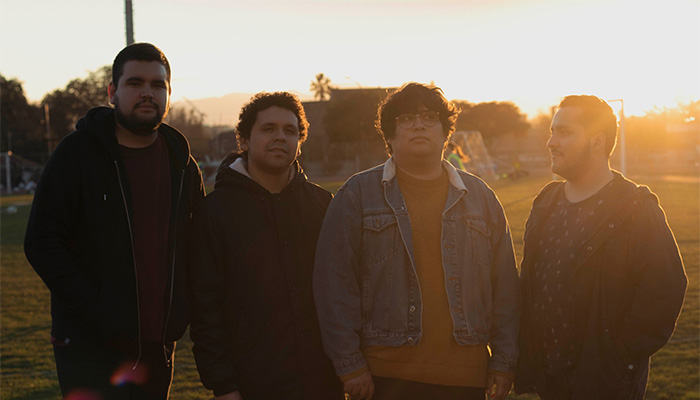
By José Gandue @Gandour Artificial archive photos
In the last forty years, Chilean rock has had great moments, And we will verify this more accurately if we focus on its independent scene. There are many gems that, perhaps, haven't shone for the rest of the world due to their notoriety, but it's clear that during that time we heard many anthems that made thousands of local fans sing and, especially, inspired new generations. The most recent Australian offerings acknowledge the firm step of their predecessors, and, recalling Isaac Newton, one could say that they apply that beautiful precept that says «"If I have seen further than others, it is because I stood on the shoulders of giants."». This is the case of Artificial, who, after having released their much-discussed album in 2018 Weekend (produced by Jack Endino), have decided to return to the studio, after internal adjustments, and pay tribute to notable representatives of Chilean alternative rock of yesteryear, such as Solar, Casino, Panic and the still active The Ganjas. Rearview (That's the name of the EP) is a compilation of five covers that powerfully evokes the work of these classic groups. Therefore, we decided to contact Álvaro Beltrán, singer of Artificiales, to talk about the process of this record work and its details.
Where did the idea for this tribute to these bands come from?
It arose from the changes the band was going through; some members left and others joined. We felt the need to reboot ourselves (even with five years under our belt), so we started playing the first songs we played when we were 15, for example—11 years ago! And there were Nirvana, Weezer, and Chilean bands like Casino and Pánico. Ultimately, we weren't just paying tribute to them; we wanted to pay tribute to our first steps as musicians.
How were the songs they recorded chosen?
They were chosen because we'd been playing these songs for a long time. Besides, they were the first songs we played in school when we had a band there (before Artificiales). They were our treasures, and we always had a lot of respect for the bands that created these songs. We always felt they deserved a better place than they had. They're somewhat underrated, in my opinion. Also, two of the songs are by the producer of our first album, whom we chose precisely because...e His music meant a lot to us. In fact, when we started working with him, we couldn't stop talking to him about his band. When we recorded Weekend,Between sessions, we'd play some of his songs, and of course, he'd laugh and everything would be great. It's always nice to work with someone you admire. Recording these songs was a natural step. It's like when you're a teenager and you discover that band that only a few people know. You feel good about sharing that taste with just a few.
Have any of the musicians who originally wrote those songs heard your versions? If so, what was their opinion of them?
Yes, all of them. They felt quite honored by the opportunity. They also appreciated that we were respectful of their creations. Initially, the idea was to do covers They were different from the originals, but if something works, you don't need to fix it. They were incredibly grateful for that, and everyone wished us the best for this release. Some of them already knew us and liked the band. We were already playing some of those songs live, so they were aware of that. We also incorporated certain musical elements they added to later versions.
How would you describe the current state of Chilean rock?
I think there are a lot of really good proposals, and it's more democratic in that sense. Everyone can make music, and everyone can listen to music from anywhere, so we're doing well in that respect. On the other hand, I think there's a lack of real cooperation between bands; you have to be more grounded, no matter how successful you are. Also, it would be good if the industry were better established, but that has to be a collective effort (including ours). It ranges from the producer respecting the artist's work to the artist respecting the work of a colleague. In short, I'd say we need to practice humility more than preach it. But it's going well; there are a lot of new people with a different mindset, and many legends of the music industry who are also open to new proposals and who have made a real contribution to Chilean music.
And how do you think you can contribute to that growth?
Helping when people ask for help, trying to share each other's music. I've seen bands make playlists with more mainstream music (from artists who will never even know they're on that playlist), and I don't see the point. Sure, you can do whatever you want, but you can use these opportunities to support others. I also think it's important to be as friendly as possible with the people who comment on your music. When we started out, we also ran into some nasty people; someone even told us we couldn't make music because we didn't dress like a "rock" band. Nowadays, you can do whatever you want, and I don't think anyone has the absolute formula for success. I mean, just look at the most listened-to artists; many don't follow the typical pop formula, like Billie Eilish, and they're huge hits. We toured with Mr. Bleat from Colombia, who are much more well-known than us, and it was a real learning experience. They help the industry, give you advice, and help you do better, whether it's with technical things or more emotional aspects. I myself have been approached by people who've heard me on the radio, and without even knowing them, I offer them some of the few pieces of advice I can. That's what real cooperation is all about.