
 By José Gandue @Gandour
I insist: the boys want to dance and we are in a land rich in rhythms that have rarely been explored outside the environment of traditional folklore. Yes, Colombian electronic music has drawn on these ancestral roots to ignite dance floors, but many projects have become stuck in the obvious, where one plus one simply equals two, and where projects repeat themselves and stagnate with the simple goal of quickly getting the listener dancing. That's why the arrival of Maiguai to the Latin American musical scene.
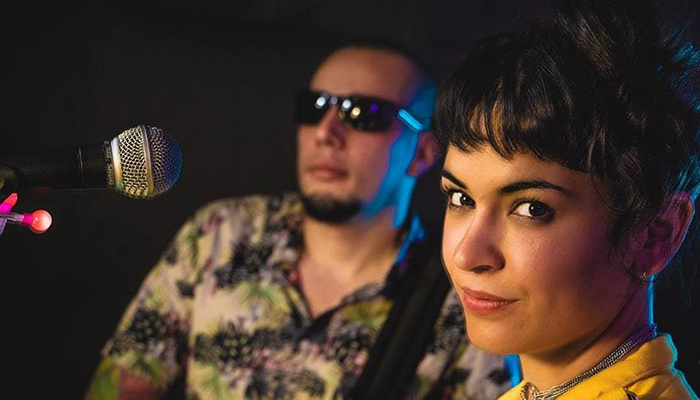
This duo, made up of Marisol Arévalo and Álvaro Vargas, has found, without deviating much from the essential, the proverbial local sound, a denser, more intense route in the presentation of their songs. His EP, called Fueque, Arévalo finds more resources in his mix of sounds, drawing on trip-hop in the style of Massive Attack or Tricky, rather than the old house trope of blasting the bass drum and enslaving the listener with repetitive swaying. The ending of his seven songs is much more sensual than frenetic, yet it invites continuous body movement, smiles, and seduction. The guitar strives to captivate and not get lost among the beats, while also giving space for Arévalo's voice to express itself freely and deliciously melodically throughout the compositions. The album starts with a party vibe, with the title track, but as it progresses, It is filled with an overwhelming tenderness that ends up embracing the listener and provoking what the Brazilians call saudade, That is, an emotional feeling bordering on melancholy, but without losing the joy of encountering a work that caresses us as it plays and satisfies us as it unfolds. Songs like Carmencita, Confusion y Hurricane They are a true example of this.
This is a good piece of work worth keeping an eye on, if you want to see what will be the new generation of Colombian electro sound.