
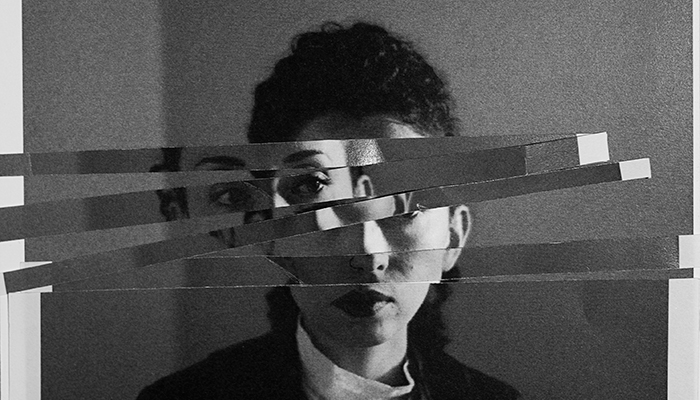
 By Daniel Casas C. @danielcasasc Photo by Valeria Castro @valeriasain
One of the implicit actions of music It is the creation of atmospheres, Some tracks are placid, others chaotic, depending on the intention, intensity, and instrumental rigor. This is the debut EP from the Bogota native. Brina Quoya It is a clear reference to an atmosphere of interesting instrumental passages, cadenced in most of their moments, risky, at times daring, in a fusion of elements ranging from trip hop to jazz, soul, and electronic music. It's bold to say that it's a kind of Creole mix between Gustavo Cerati – version Puff, Erykha Badu, a bit of Sade, a little bit of Portishead and a lot of Brina Quoya herself.
What You See Is Not Me, the flagship song of this production, play rapid arpeggios on keyboards, with complex, sometimes pseudo-folk guitars, a bass that gives it cadence and a sinuous melody that then becomes passionate, dizzying. A sonic adventure taking refuge somewhat in sounds from the nineties, but it works perfectly. Stay It captivates with its cadence, with the subtlety of its instrumentation. Keyboards, guitars, embellishments, effects, and spaced percussion textures that allow the voice to breathe., again in an attractive melody.
Brina Quoya It inhabits that unique space left by nineties trip hop, with its wide range of sound opportunities. Wasteland (Song to Burn) It's an intense song that slowly makes its musical structure more complex, with repeated downloads in an intense world of psychedelia. Something similar happens with It's Not Your Time which opens with a guitar riff supporting the vocals, a voice that, incidentally, sometimes also evokes Amy Winehouse, and that it also feeds on different environments that contrast with one another. Finally, the closing with Seek The Feel, a song that in its own way condenses everything that has been heard in the previous ones.
Brina Quoya's proposal is pleasant. It is true that it relies on similar nuances to Latin proposals that, under the influence of trip hop, we heard in the late nineties, And to our surprise, it proves here that it is still relevant.