By José Gandue @Gandour Photos by Rick Rodriguez and Alejandro Taranto archive.
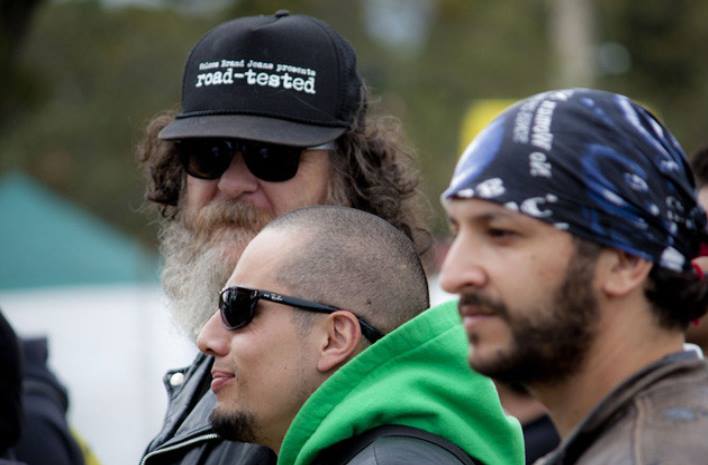
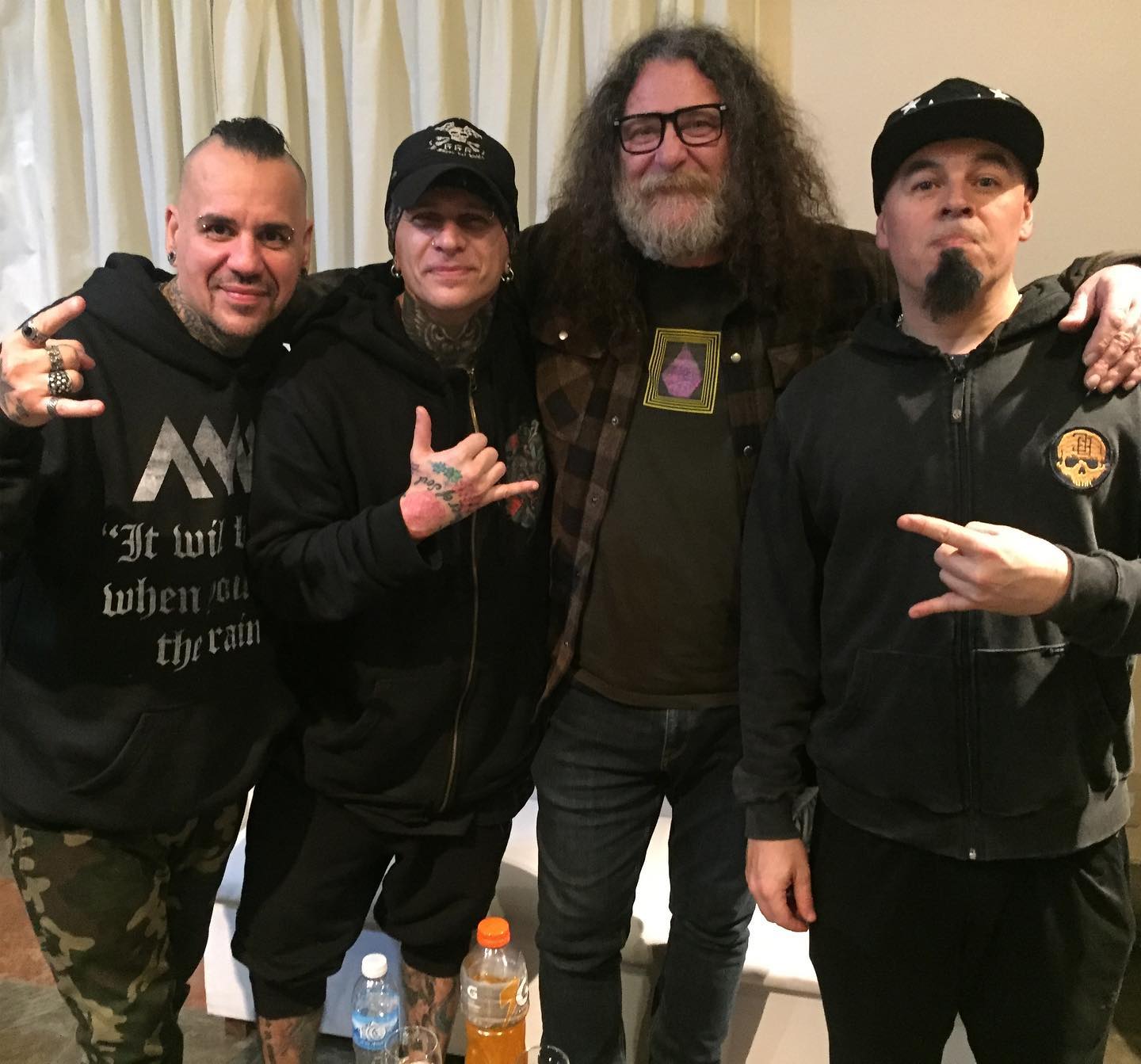
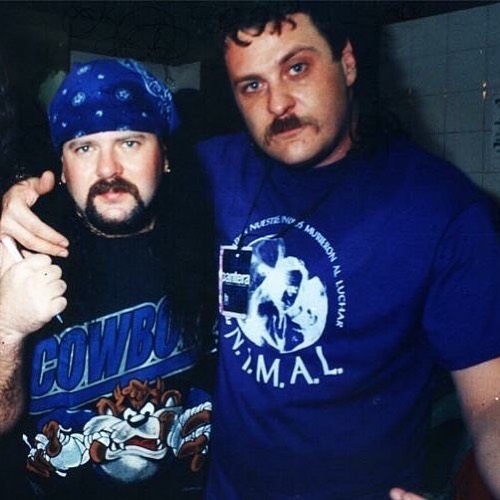
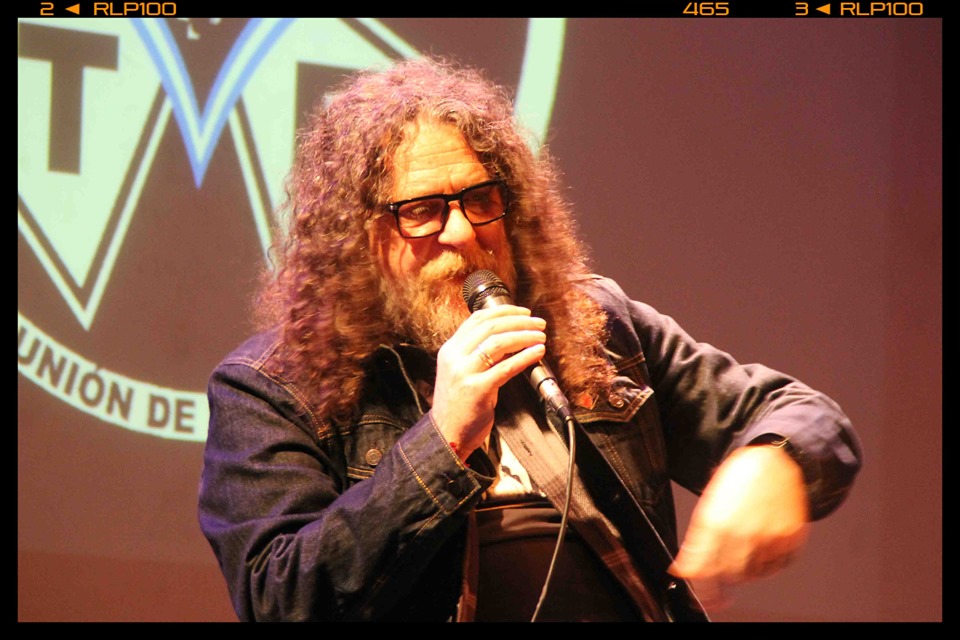
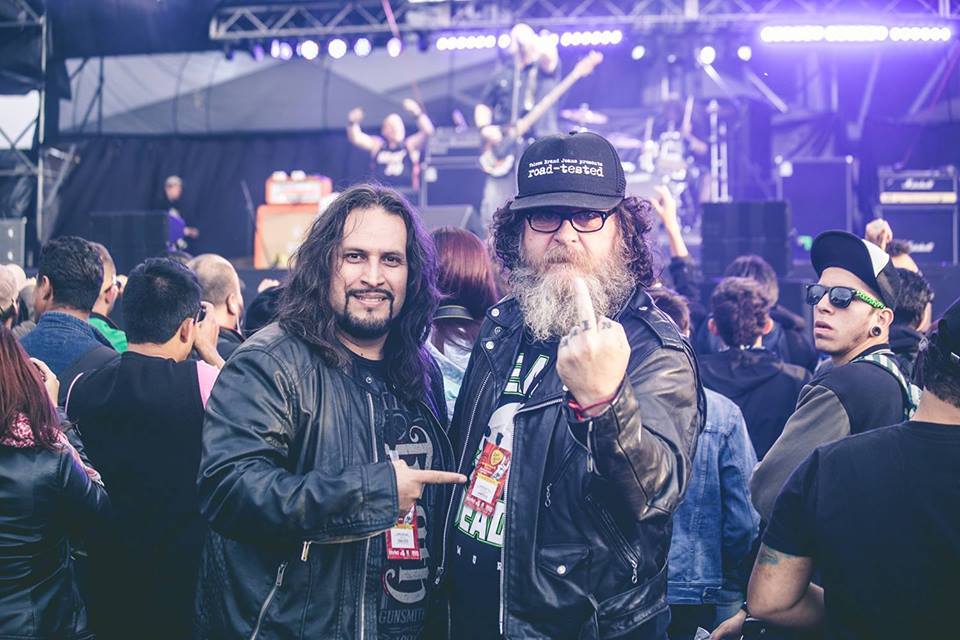
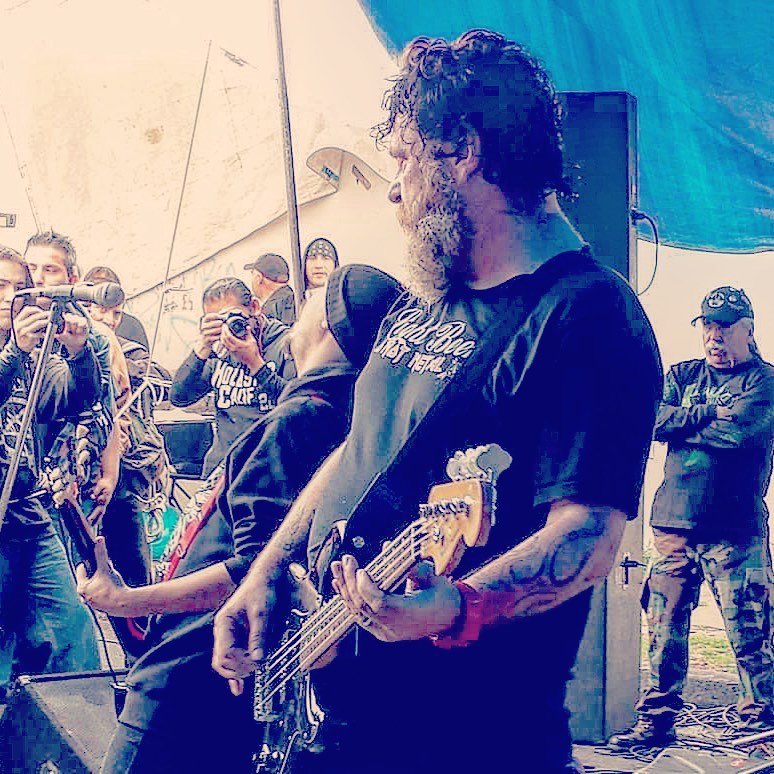
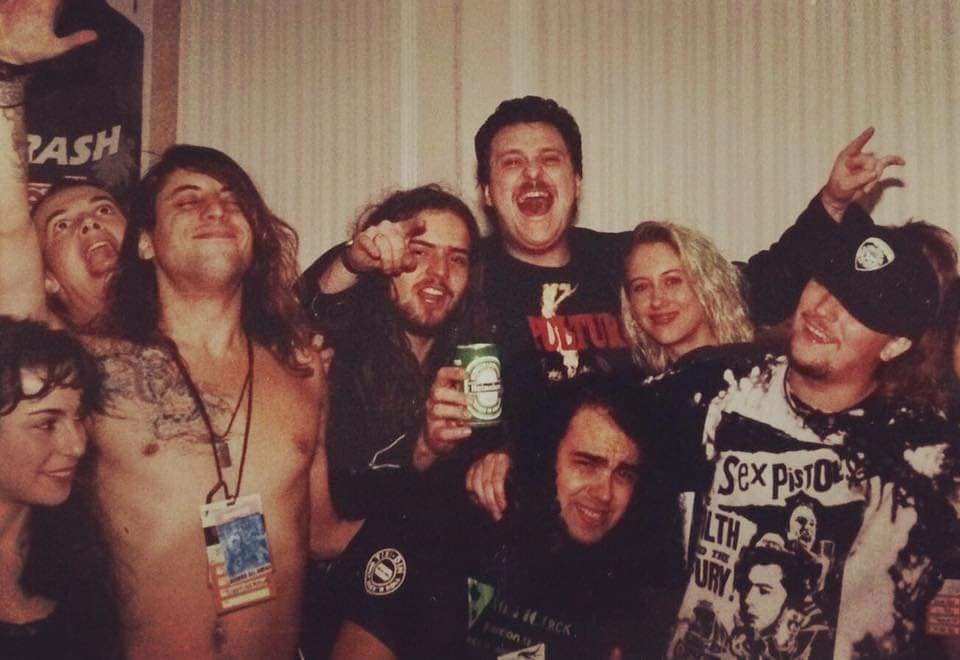
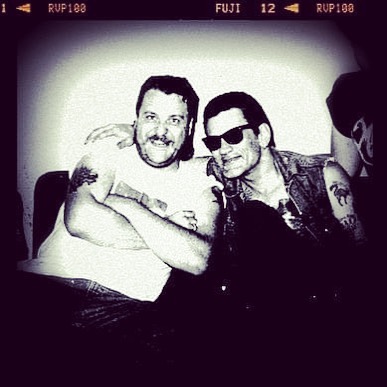
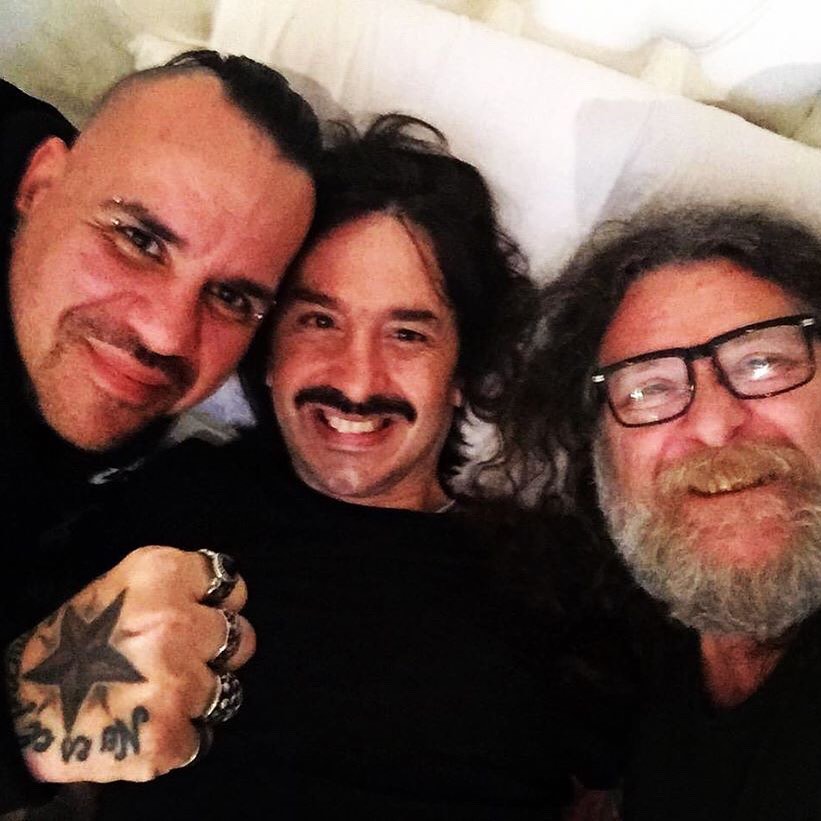
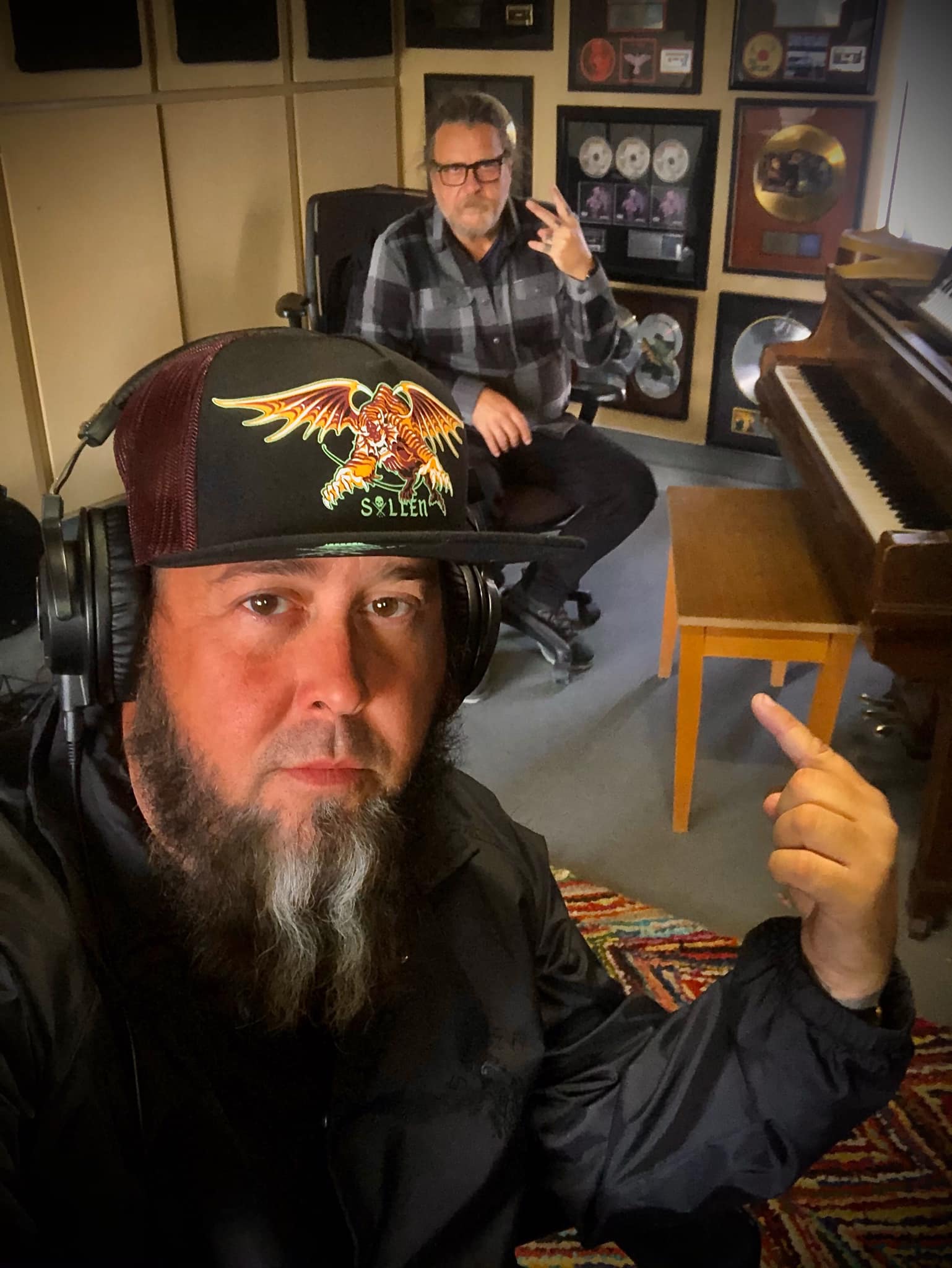
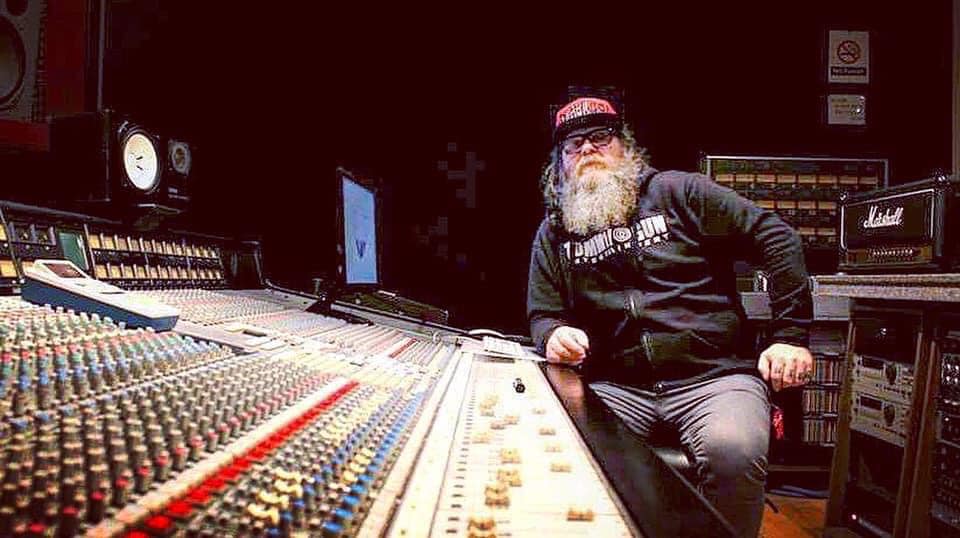
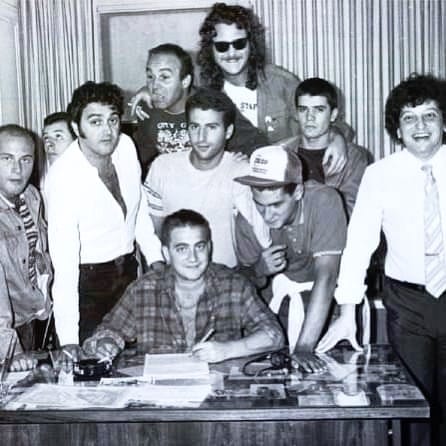
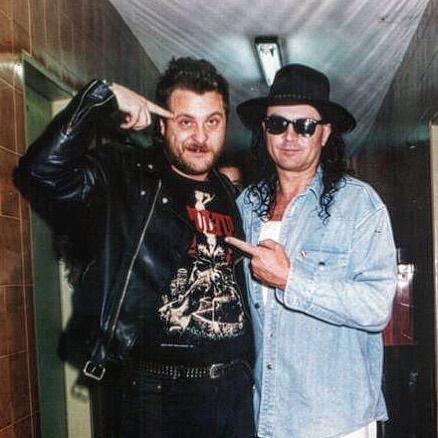
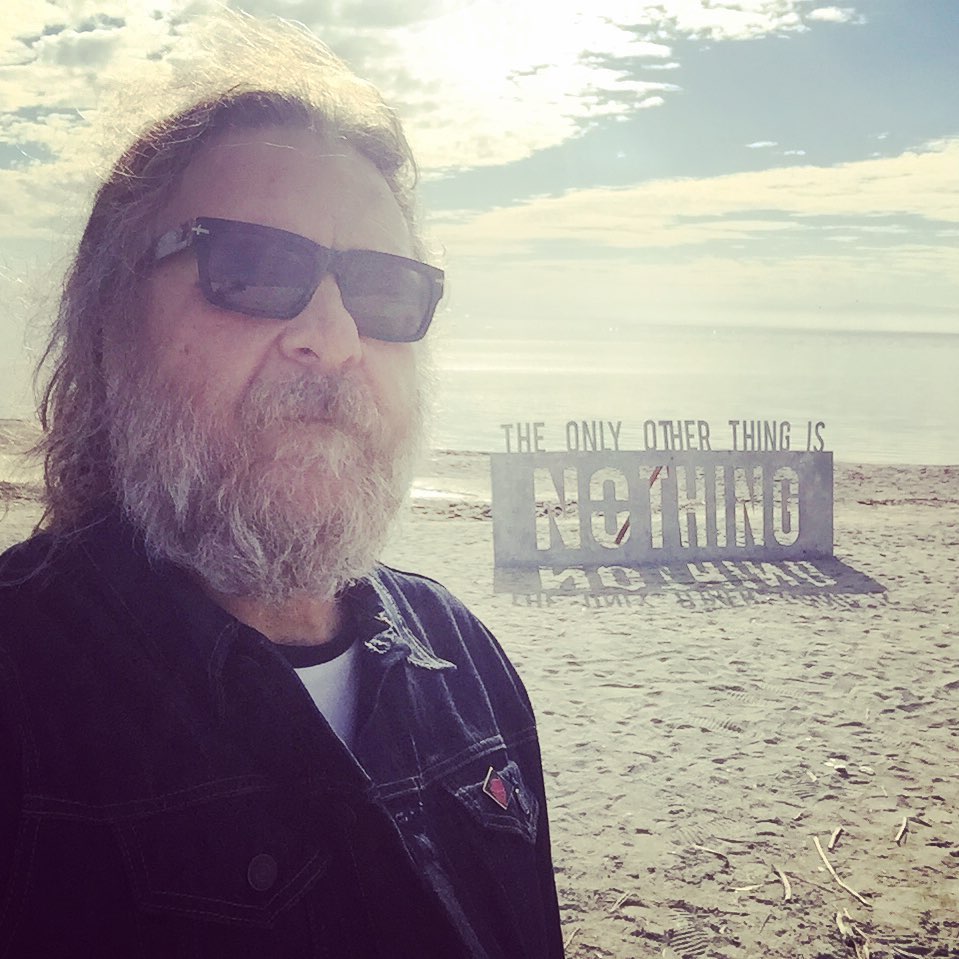
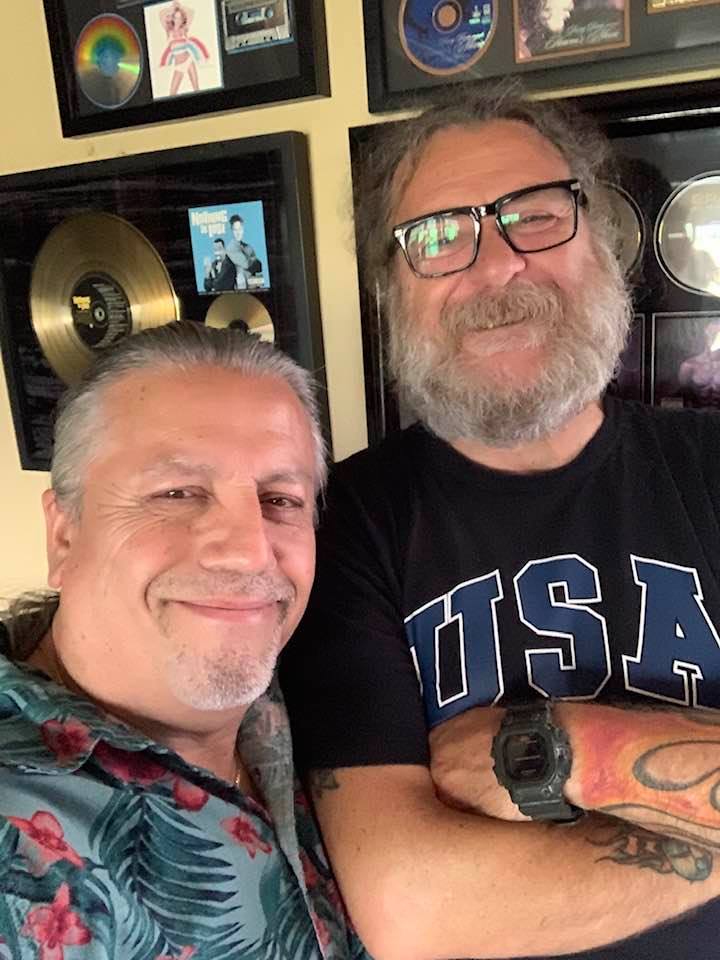
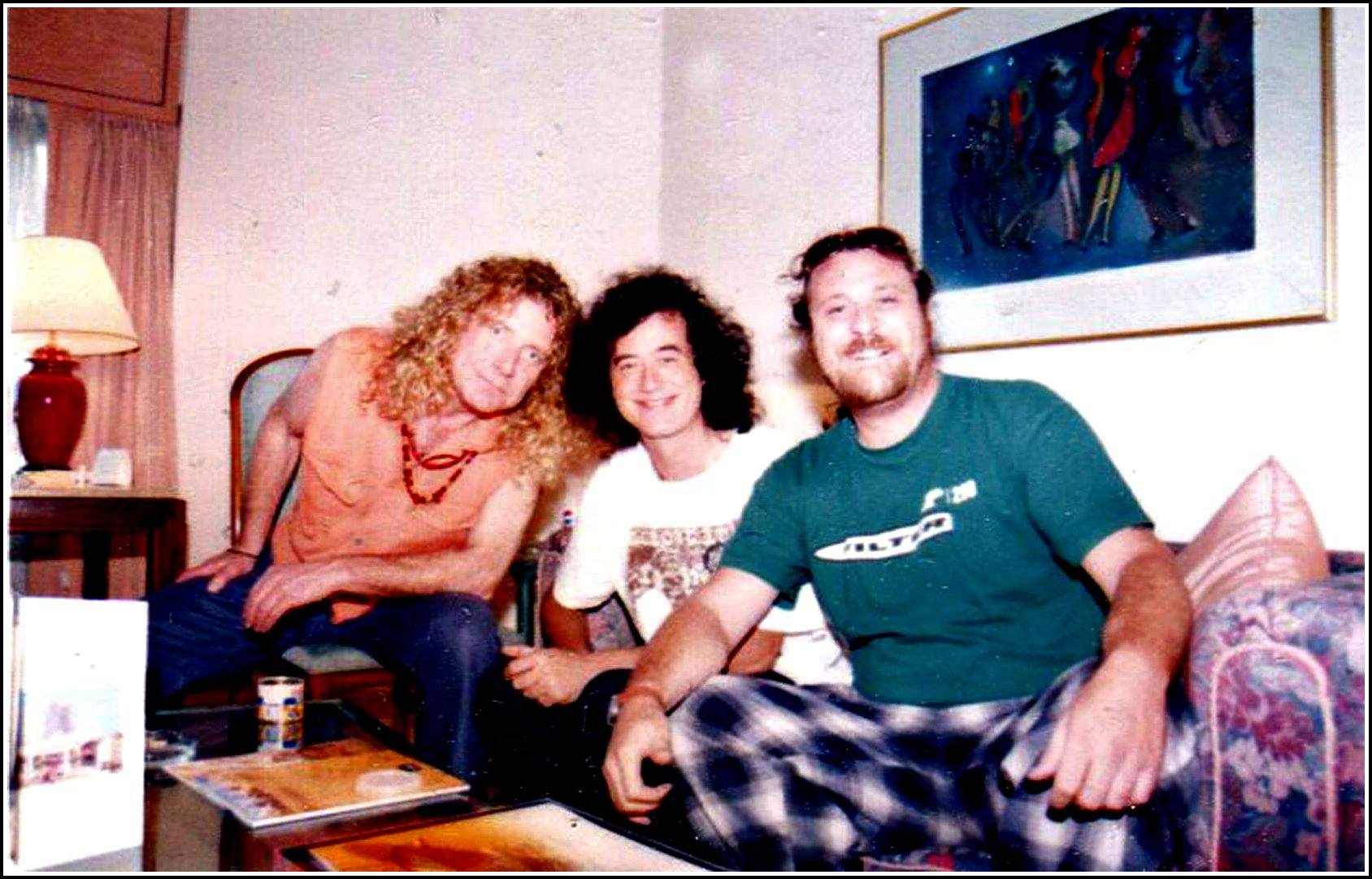
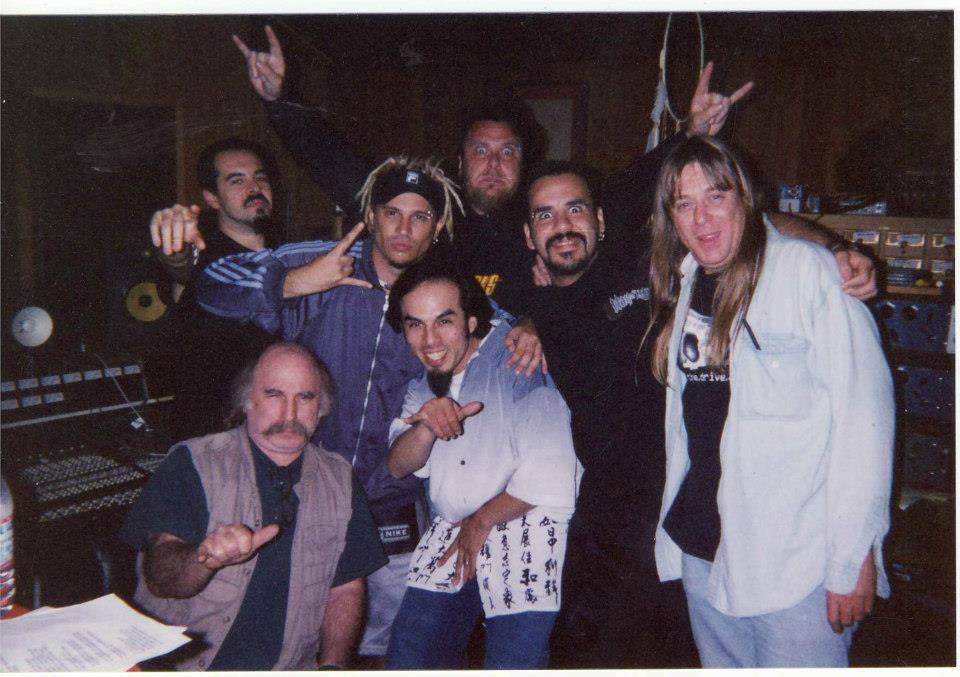
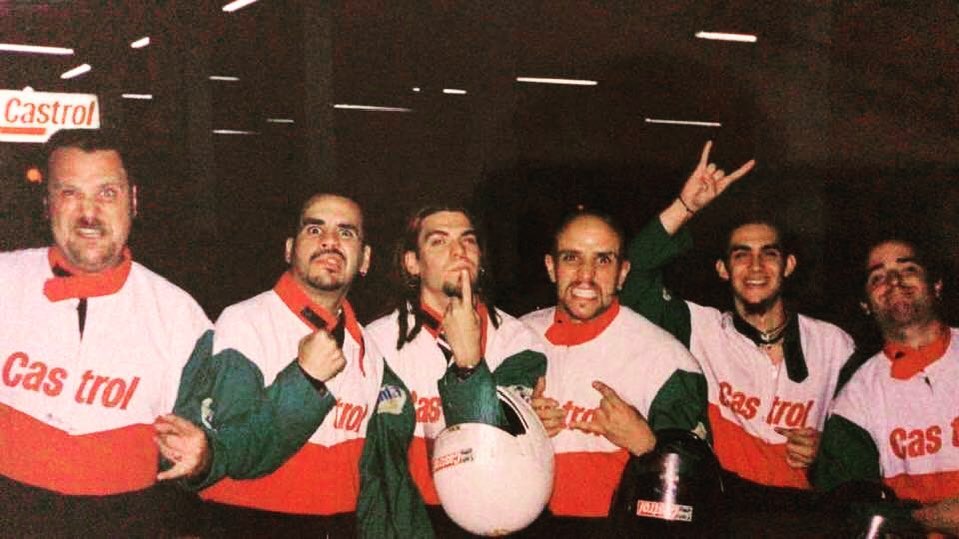
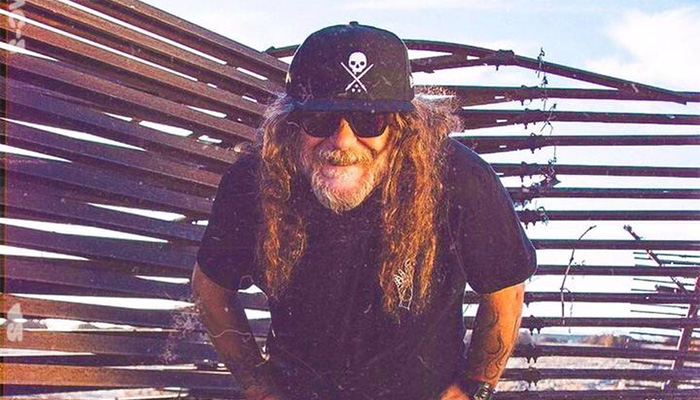
Sit down and talk with Alejandro Taranto It's listening to the coherent yet radical voice of someone who has always been on the side of rock (ROCK, in all caps), forging a clear path in the field. The older fans remember him from his time as manager of The Fabulous Cadillacs. Those who experienced the music scene in the nineties remember his role as the manager of one of the most important groups in the history of Latin American metal., ANIMAL. Many are familiar with his work as a producer and director of the record label Tommy Gun Records, and its involvement in multinational corporations such as Warner Music Group y Sony Music Entertainment. Those who follow him on social media can delight in his story through high-caliber photos alongside world-renowned figures such as Johnny Ramone, Jimmy Page and Robert Plant (Led Zeppelin), Jerry Lee Lewis, Lemmy Kilmister and other gems, clarifying, of course, that his role wasn't simply to take the snapshot and that's it, but rather to share hours of conversation and work and grow in knowledge like few others. Personally, because of the trust I've had in him for quite a few years, I occasionally allow myself the risky exercise of provoking him to find out his opinion on what's happening in music today. Taranto, a resident of the United States for several months now, He could be described by some as a rock dinosaur, But, if you get to know him a little beyond the first impression given in an initial encounter, you know that His is a genuine passion for music and sound production, And that, for quite valid reasons, his sorrow for the present state of the industry is understandable.
How would you describe the current state of the music market worldwide?
Obviously, the current situation is very different from the past when music was sold in physical formats for playback. The promotion and dissemination of new releases was done through programs and/or entire shows on radio stations and the few cable TV channels dedicated to music, using music videos. Today, music is almost entirely digital in every sense of the industry, and being digital makes it even easier to manipulate. It reaches the majority of the public by force, but in a targeted way, creating a situation where many "shooting stars" emerge—single-song hits that last very little time in the spotlight, except for those exceptions where songs become timeless classics. But now anyone can combine sounds (that is, make music) with digital devices, without needing to know how to play an instrument or sing. In fact, there are other styles that are like recitations with meter and rhythm, but that's not singing. Do you understand?
But the music market has been sustained much more by what artists related to what you call "recited verses with meter and rhythm" produce than by rock itself, right?
Yes, of course, and I'm using that term as a technical marketing term, and I'm not diminishing its importance in any way; on the contrary. It's part of this change, this revolution that humanity is experiencing.
Is it worth missing the past? Does it serve any purpose?
Everyone is free to miss the past or not. It's good to know about it and learn about the history of the music industry, and of course, as always, you can draw some good examples from that, and others not so good…
Following that line of thought, what is it that we shouldn't lose in this business from those times?
Good taste… A genuine passion for truly great music and real respect for musicians and singers. Specifically, knowing how to separate the wheat from the chaff…
Is there any way to recover all that you miss, or is it lost forever?
I don't miss that at all! Fortunately, I still feel and do what I mentioned, and I surround myself with people who like, play, and compose music, from the heaviest to the most melodic, and in different genres… but there are genres I don't know how to do… It's a new facet within the options and possibilities of choosing… times change, they recycle, they transform, and in some cases, they also grow or devolve…
Let's talk about digital platforms. I know this will be a very simplistic question, but do companies like Spotify, Apple Music, and Tidal contribute to the music market or do they actually harm it?
Hahaha…who can really verify the accuracy of their figures and playlists? They benefit a very few and financially harm many others…but as I said before, music today is digitized in every sense. And let's not even talk about the low audio quality they offer to unsuspecting users, to the detriment of the work we producers and engineers do. Furthermore, they don't provide any information, technical specifications, or credits, nor do they show the lyrics to users. That's why some benefit and others are harmed.
Was that change inevitable?
Of course, who can stop cultural changes and the evolution and devolution of the human race in every sense? The internet is just like "The Art of the Fallacy"!
I apologize if my questions seem somewhat ironic, but does the average music consumer care about sound quality?
Obviously not… by "average consumer" I mean those who aren't music lovers. They listen to everything casually, they don't choose, they just consume. And they don't know about other types of audio that are less compressed and have a greater dynamic range… obviously, most of them aren't interested…
I continue along the same lines: So, entering a large studio, hiring a prominent producer, having a great team of collaborators behind you, isn't that a bit of a private pleasure exercise with little chance of profitability?
It depends on the respect you have for your own music and the treatment it truly deserves. It's like culinary art, haute cuisine or McDonald's; it's like surgery: either it's performed in an operating room by a qualified and experienced surgeon, or you can choose to have it done by a butcher in a diner's kitchen. Recorded music is immortalized, and if it has the quality of being listened to in stereo and producing sensory sensations, all the better…
You moved to the United States some time ago. When you arrived in California, what did you find that you were missing?
I moved to the Coachella Valley, the birthplace of Stoner or Desert Rock. Furthermore, desert cities are a constant source of music, encompassing many different genres, all sharing the unifying element of Desert Music. It's a community comprised of many musicians, producers, visual artists, writers, and a wide range of artistic expression. The desert is a very inspiring place for me, and fortunately, I have the generosity of many good colleagues and friends.
How has the pandemic been felt in those parts?
It was very hard hit, like everywhere else, with record numbers of deaths and infections. Fortunately, the statistics are now dropping to almost half of what they were last January… no shows, no tours, few recordings…
Will we return to "normal" or are we forgetting the past?
We mustn't forget old habits and customs. We must reinvent our ways in this digital world, and now we also have to live with several new deadly viruses… I hope humanity can find a way out of its own rut…