
By José Gandue @spinning zone
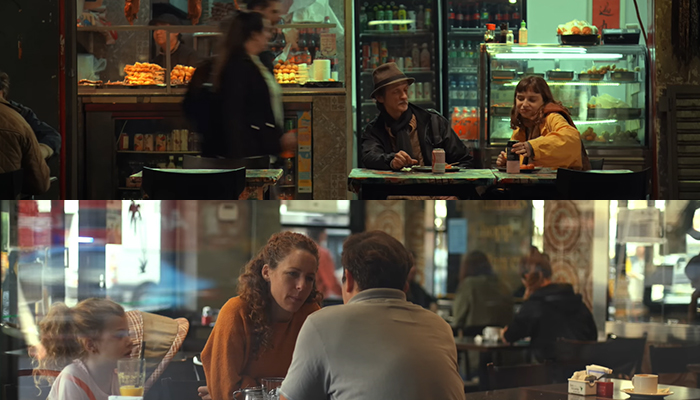
It's okay. Is it okay? (No, this isn't a Seinfeld joke.). Everything that happens and that we see in this video happens every day in front of us, and, surely, it happens in our lives and, at times, we don't want to acknowledge it. It's the everyday, and of course, what we experience from the moment we wake up, go to school or work, what happens in our family, dinner, the return home, and the possible casual sex—all of that isn't worthy of a Netflix series. It simply happens, and we don't go around signing autographs for living what we experience every day. But what happens if we set up a camera, perfectly framed, without moving (except for brief moments due to the speed of the motorcycle, or when we take down the freshly laundered clothes)? A camera that bears witness to stillness, to the smallest joy, to boredom, to heartbreak, to wanting to flee without lifting a finger, to wanting to kiss without being noticed. What happens if we add twelve songs to all that (totaling 38 minutes), performed by an orchestra that combines jazz, trip hop, funk, blues, neo soul and other contemporary sound genres, that seem to express what the protagonists are thinking, whom we don't see reacting in front of the lens? Well, that's what the audiovisual experience proposed by the Argentine musical project is all about. Naphtha, and his second full-length album, called Nafta II.
It must be said: Not only is it an unusual idea, but it's also impeccably executed. The music alone knows how to create the atmosphere that draws us into the film (even if we only listen and close our eyes). To a greater or lesser extent, this is our story., or at least what they tell us we have experienced at some point (let's not pretend to be special, that thing about extraordinary lives is a matter of a few days) And we've always had access to good musical plans that have effectively attempted to describe how predictable we are. And if we talk about what we see, it has to be said that the idea is simple and powerful. This video piece, made under the direction of Pablo Rojzman, is a successful example of this. Delfina Margulis Darriba's cinematography (in most of the cuts) is magical, as there's nothing more difficult than making the mundane look beautiful. It's a complete product, ready to be watched repeatedly, hoping that when the images begin to tire us, Let's keep playing the music and keep adding more color to all the ordinary things that surround us, day after day.


